Industry
Engineered Enzyme Produces Bigger, Softer Bread in Baking Tests
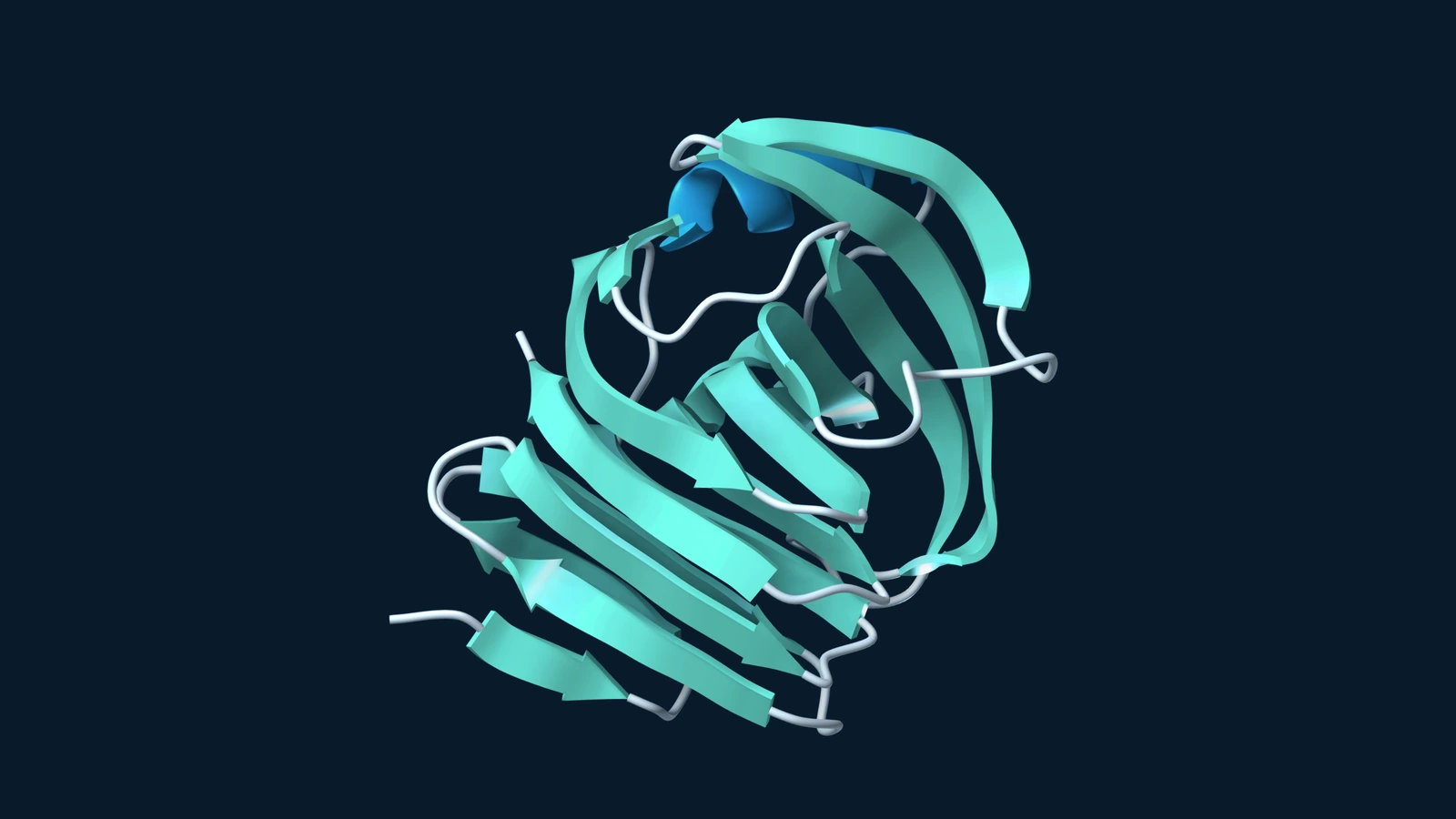
An inhibitor-resistant xylanase improved loaf volume and crumb softness in baking tests, but taste, commercial performance and safe shelf life need separate evidence.
The science of enzymes. The possibilities they create.
Explore EnzymeNews
Enzymes at work in food, materials and chemical manufacturing.
9 results
An inhibitor-resistant xylanase improved loaf volume and crumb softness in baking tests, but taste, commercial performance and safe shelf life need separate evidence.
Researchers redesigned the PB92 protease to survive heat for longer. The results show why a useful industrial enzyme needs both stability and activity.
Researchers introduced tyrosinase into cellulose-producing bacteria to make dark textile materials. The enzyme connection is direct, but the process remains at the prototype stage.
Researchers used CRISPR to change the composition and colour of a food fungus. The results show what pathway engineering can achieve—and what remains untested.
A chemically modified lipase worked in a heated ionic liquid to break down PLA. The study separates plastic solubilisation from conversion into lactic acid.
A one-cow experiment detected human insulin-related protein in milk. Low output and analytical limits separate this proof of concept from a manufacturing process.
A study involving EvoEnzyme used FuncLib to redesign peroxygenases, creating variants with different product preferences and substrate-specific performance gains.
Living cells make many useful chemicals, but keeping those cells alive also adds work to a manufacturing process.
Long-fragment PCR claims depend on the starting DNA and exact formulation. This updated guide explains what six suppliers' specifications do—and do not—establish.