Discovery
Ribonuclease A: The Lab Workhorse That Revealed How Proteins Fold
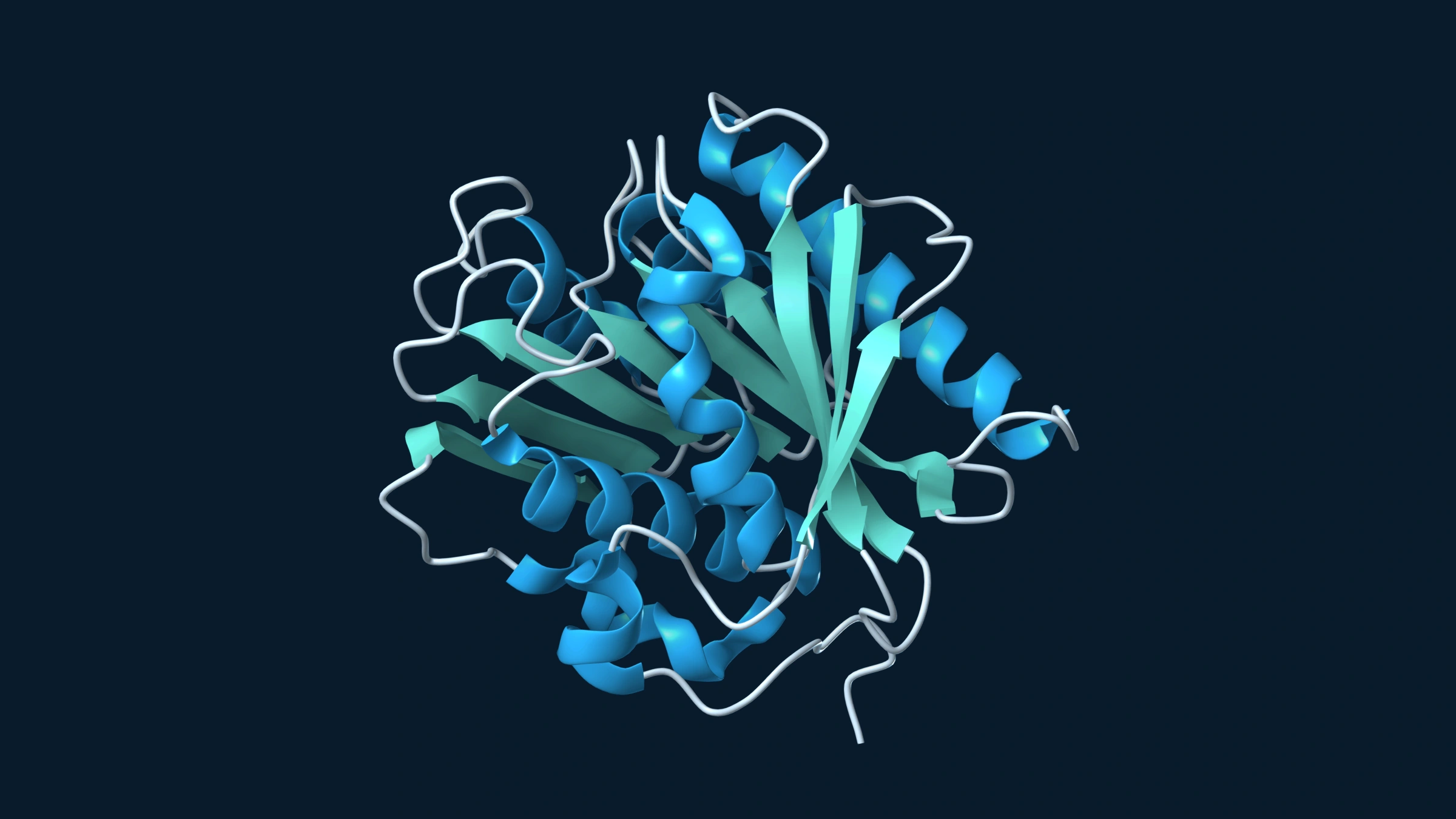
A familiar enzyme that removes RNA from DNA samples once revealed how a protein finds its working shape. RNase A’s small structure carries an unusually…
The science of enzymes. The possibilities they create.
Explore EnzymeNews
How enzymes work, evolve and assemble—and what their structures reveal.
18 results
A familiar enzyme that removes RNA from DNA samples once revealed how a protein finds its working shape. RNase A’s small structure carries an unusually…
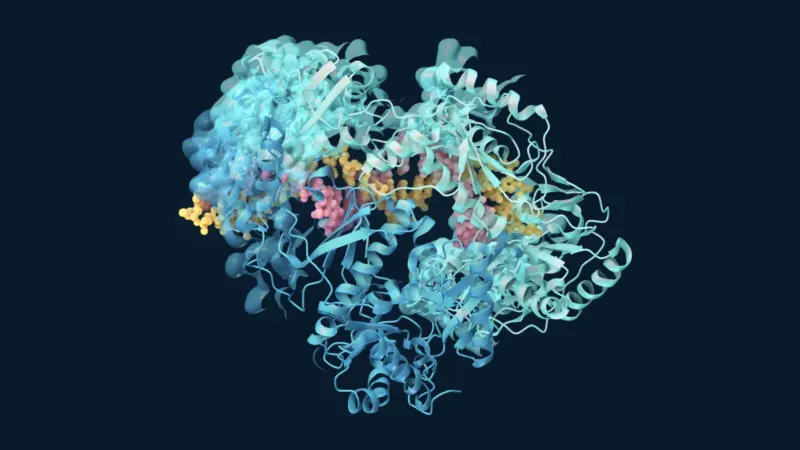
Before many RNA tests can give an answer, an enzyme makes a DNA copy. Meet reverse transcriptase, the discovery that helped reshape virology and became…
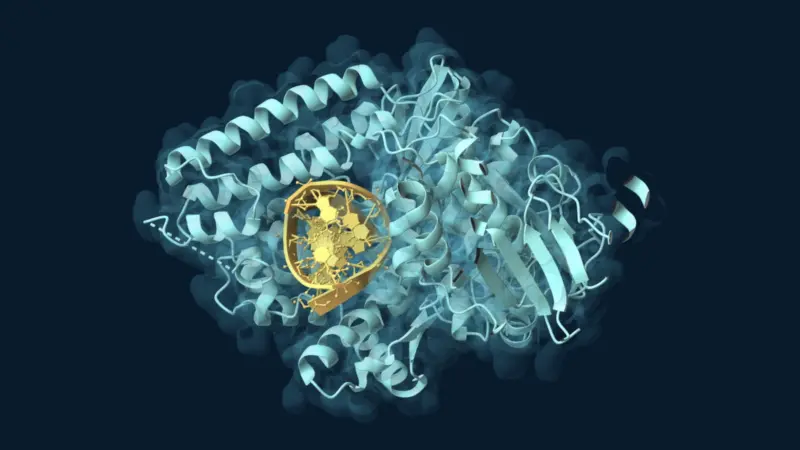
A bacterium from hot springs supplied the heat-resistant enzyme that helped PCR become routine. Meet Taq polymerase and the discoveries behind a method that changed…
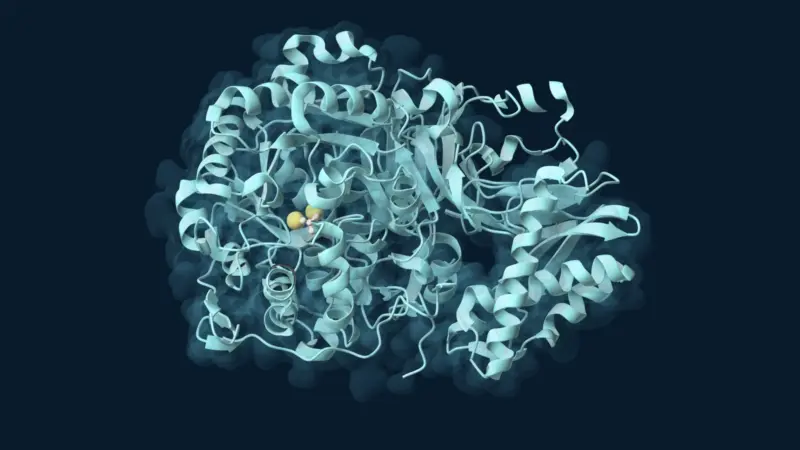
A bean protein helped scientists understand what enzymes are. Meet urease, the nickel-containing catalyst whose story connects Nobel history, laboratory experiments and the nitrogen in…
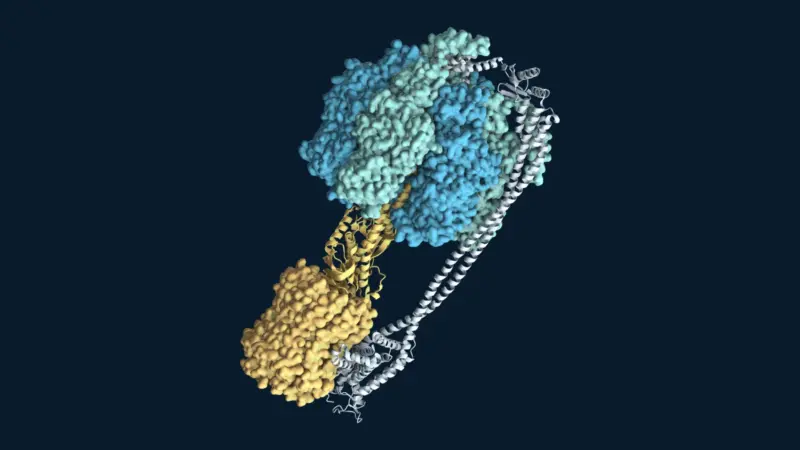
Part of this enzyme really rotates. Discover how ATP synthase couples a membrane gradient to molecular motion, why its mechanism earned Nobel recognition and what…
From fermentation to CRISPR, enzymes have repeatedly changed how scientists understand life and how they work with it.
Researchers introduced tyrosinase into cellulose-producing bacteria to make dark textile materials. The enzyme connection is direct, but the process remains at the prototype stage.
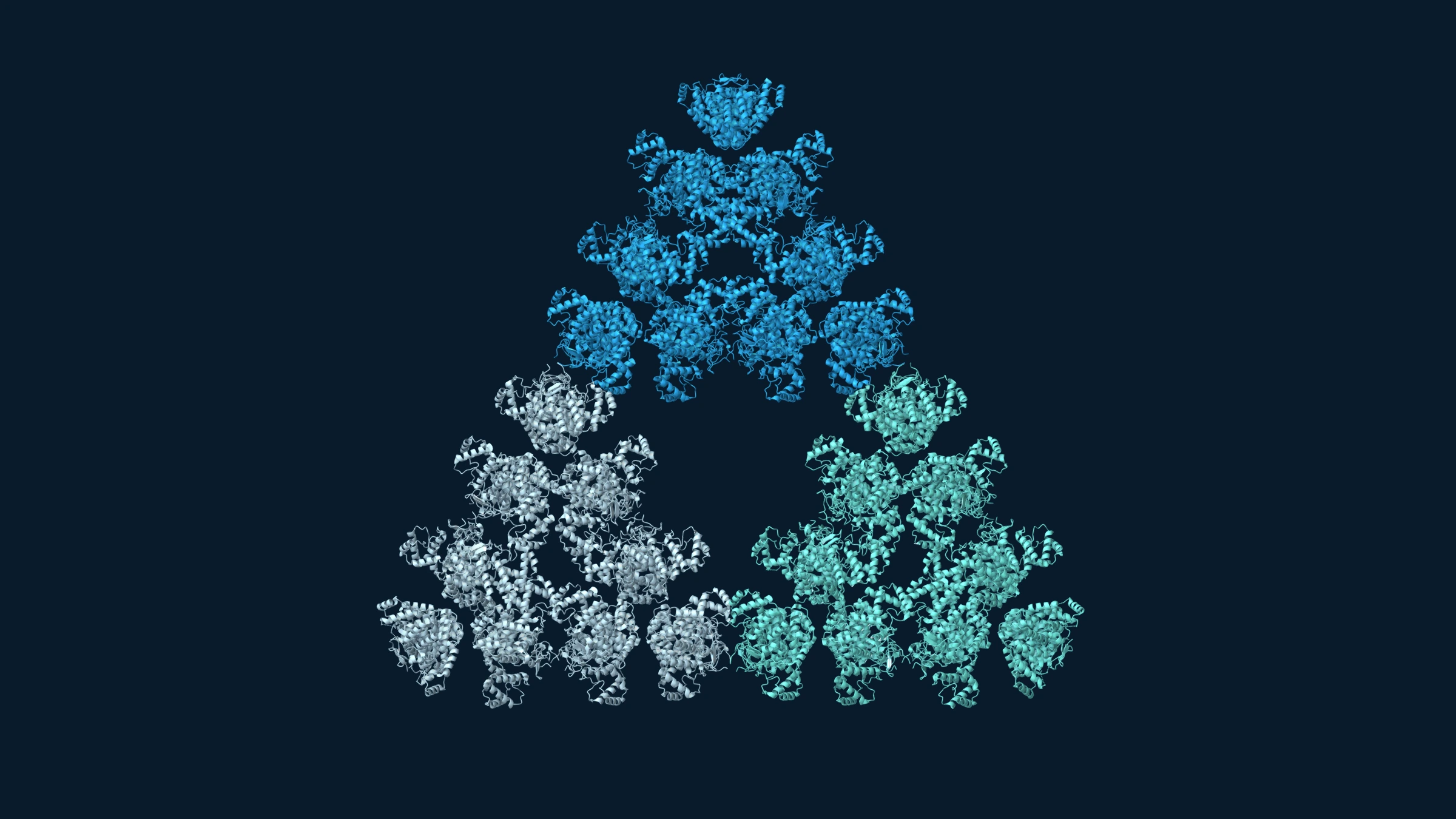
An enzyme involved in metabolism can also build striking patterns of triangles within triangles.
A 2024 study explored the genetics and cell biology behind a tomato plant's patchy leaves. It identified an FtsH-related candidate, with key tests still needed.
How does an enzyme’s performance change from one plastic to another? A new study in Biotechnology Journal, published in April 2024, compares four bacterial enzymes—DaPUase,…
A ligase from a bacteriophage can efficiently attach DNA to the normally difficult 5′ end of RNA. Researchers demonstrated a possible adapter-ligation application, with broader…
Researchers used CRISPR to change the composition and colour of a food fungus. The results show what pathway engineering can achieve—and what remains untested.