Discovery
The Enzymes Behind a Century of Nobel Prizes
From fermentation to CRISPR, enzymes have repeatedly changed how scientists understand life and how they work with it.
The science of enzymes. The possibilities they create.
Explore EnzymeNews
Browse the complete EnzymeNews collection of research reports and explainers, from enzyme mechanisms and medical research to recycling, industrial biocatalysis and AI tools.
Choose a topic, follow a research path below, or browse the stories by their original publication date. Dated update notes explain substantial revisions to older reports. Each article links to its evidence and distinguishes experimental findings from established applications.
Explore what an FtsH-related candidate can explain about variegated tomato leaves.
Discover how engineered protein pores acted on tiny PET particles, and why bulk plastic remains a different challenge.
Follow the connection between habitat temperature history and microbial enzyme activity.
See why activity and selectivity must be checked together when enzymes work in a nanoreactor.
Read manufacturer length claims alongside the limits imposed by templates, formulations and fidelity.
Distinguish results in mice from evidence for treating muscle ageing in people.
36 results
From fermentation to CRISPR, enzymes have repeatedly changed how scientists understand life and how they work with it.
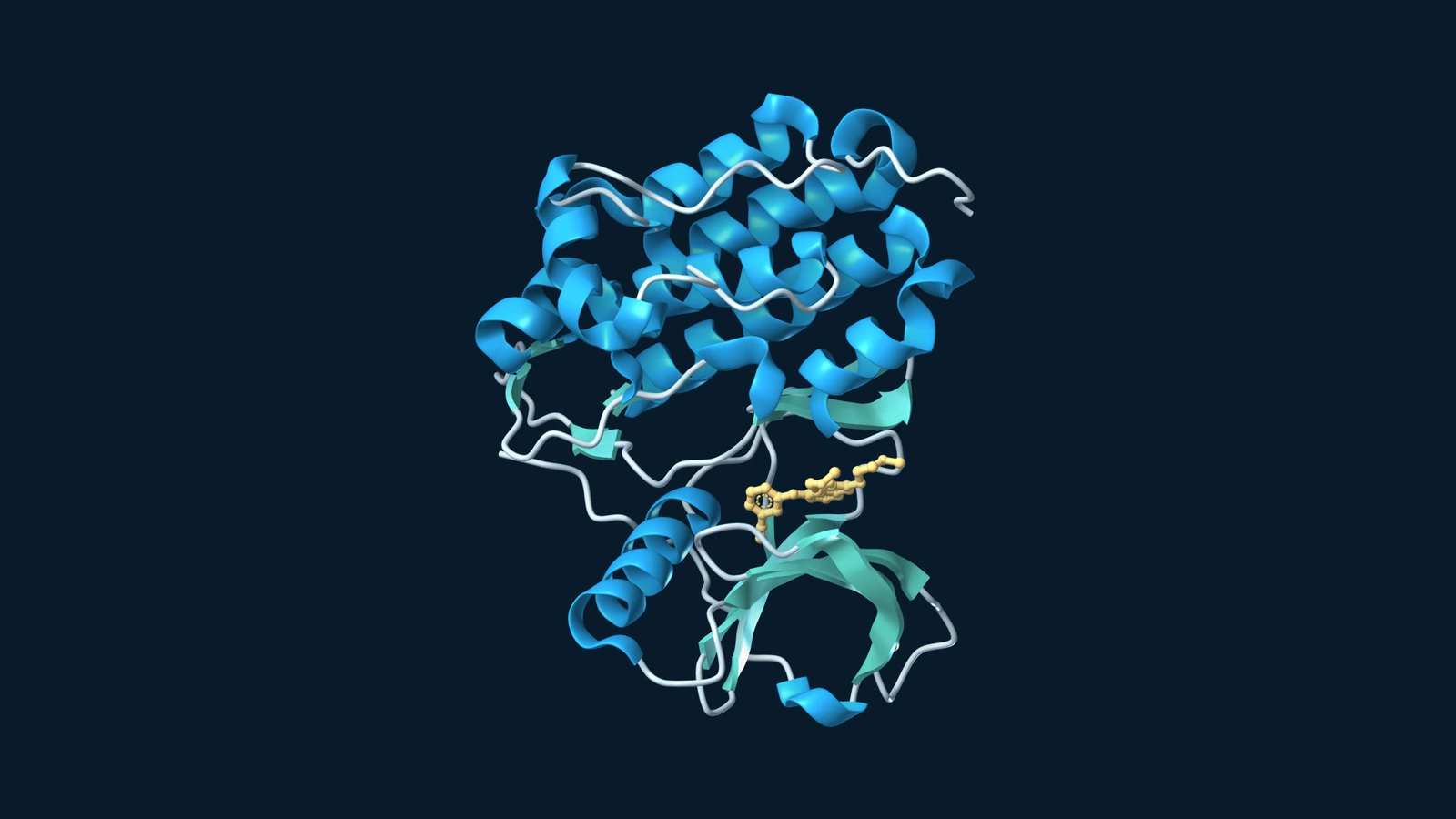
In laboratory tests, a molecule helped cells break down an enzyme involved in some blood cancers—even though it held on to its target permanently.
Some fat burns fuel to produce warmth. A mouse study suggests that keeping cholesterol in balance helps this natural heating system do its job.
An inhibitor-resistant xylanase improved loaf volume and crumb softness in baking tests, but taste, commercial performance and safe shelf life need separate evidence.
Researchers redesigned the PB92 protease to survive heat for longer. The results show why a useful industrial enzyme needs both stability and activity.
Researchers introduced tyrosinase into cellulose-producing bacteria to make dark textile materials. The enzyme connection is direct, but the process remains at the prototype stage.
Researchers designed serine hydrolases around their catalytic machinery. The published results show why completing a reaction cycle matters as much as getting the fold right.
Researchers have reported a new method for collagen crosslinking using manganese oxide nanoparticles that mimic an enzyme’s catalytic activity.
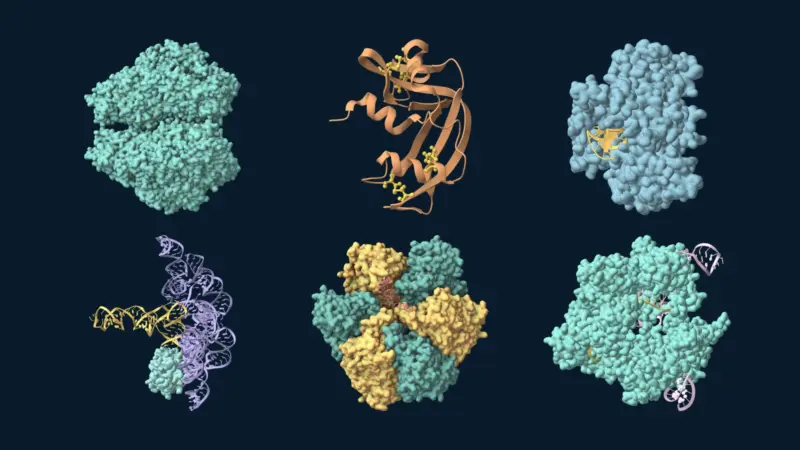
How do proteins fit together with DNA, RNA and smaller molecules? AlphaFold 3, introduced by Google DeepMind and Isomorphic Labs in May 2024, extends structure…
A cascade deep forest model reported strong performance at recognising proteins labelled as druggable. Its predictions can guide research, but still need biochemical and disease-specific…
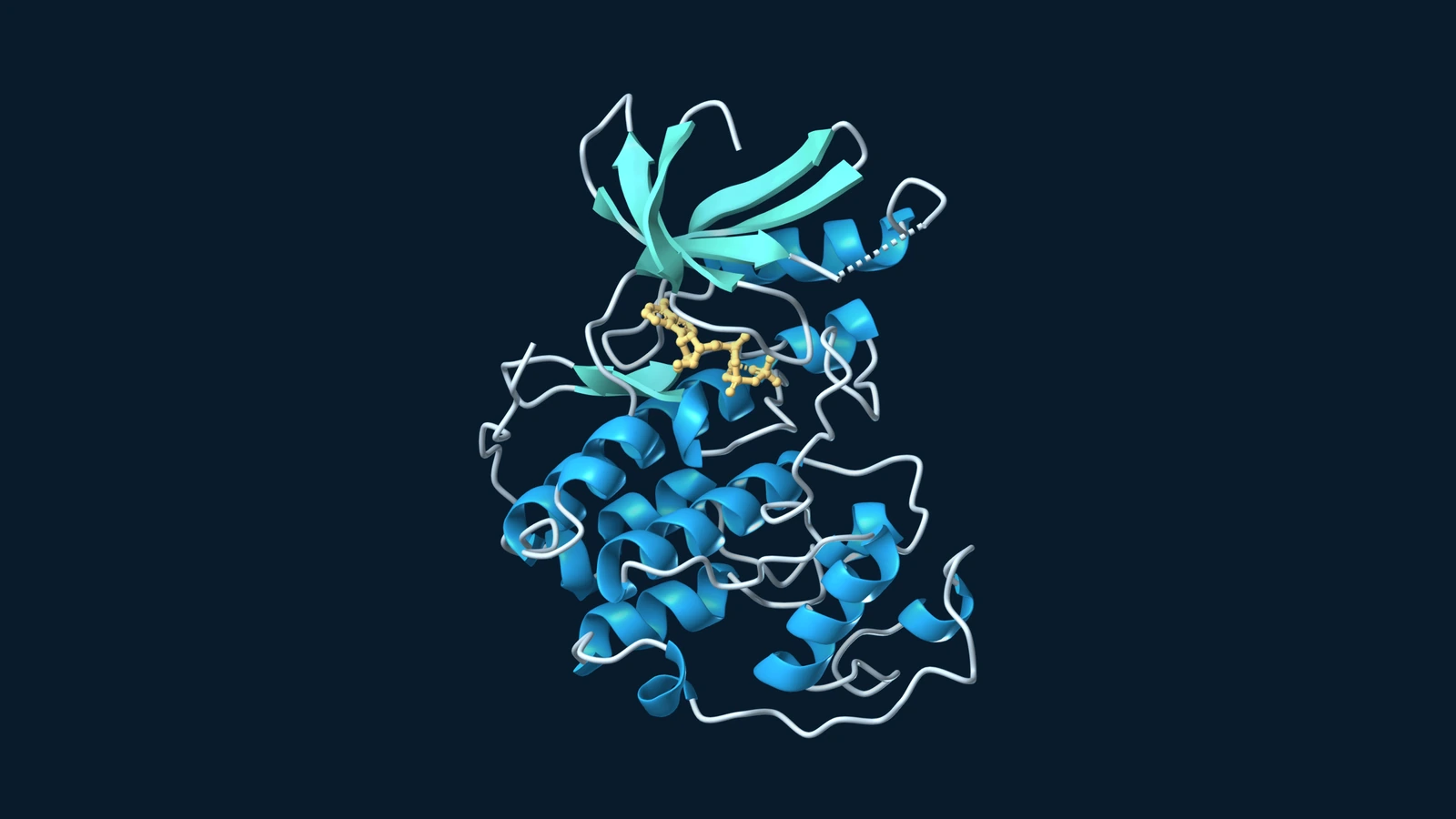
GraphKM uses enzyme sequences and substrate structures to estimate a key kinetic parameter. Its tests show promise, with important limits for laboratory use.
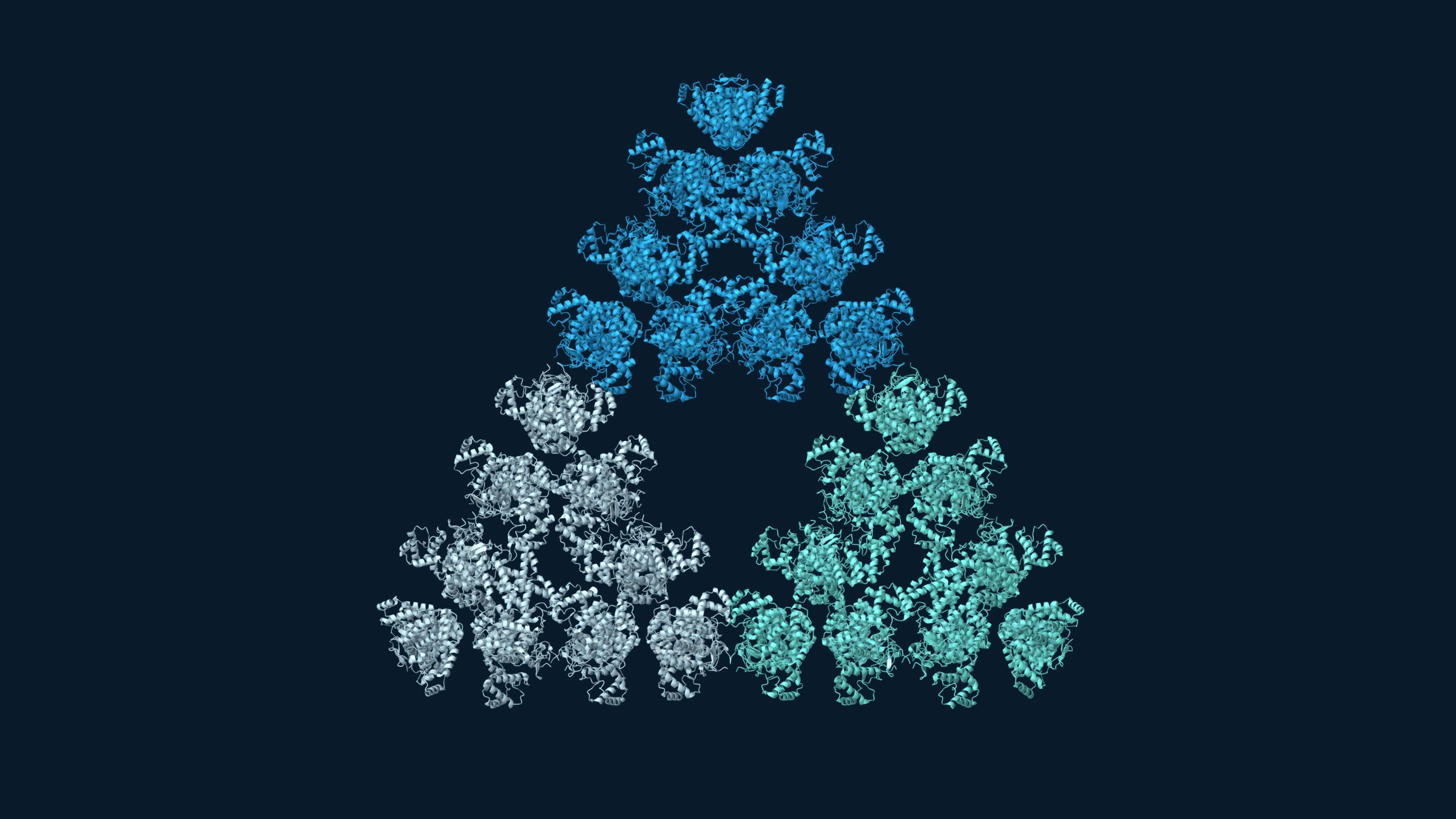
An enzyme involved in metabolism can also build striking patterns of triangles within triangles.