AI & Tools
AI-Designed Enzymes Take on a Multistep Chemical Reaction
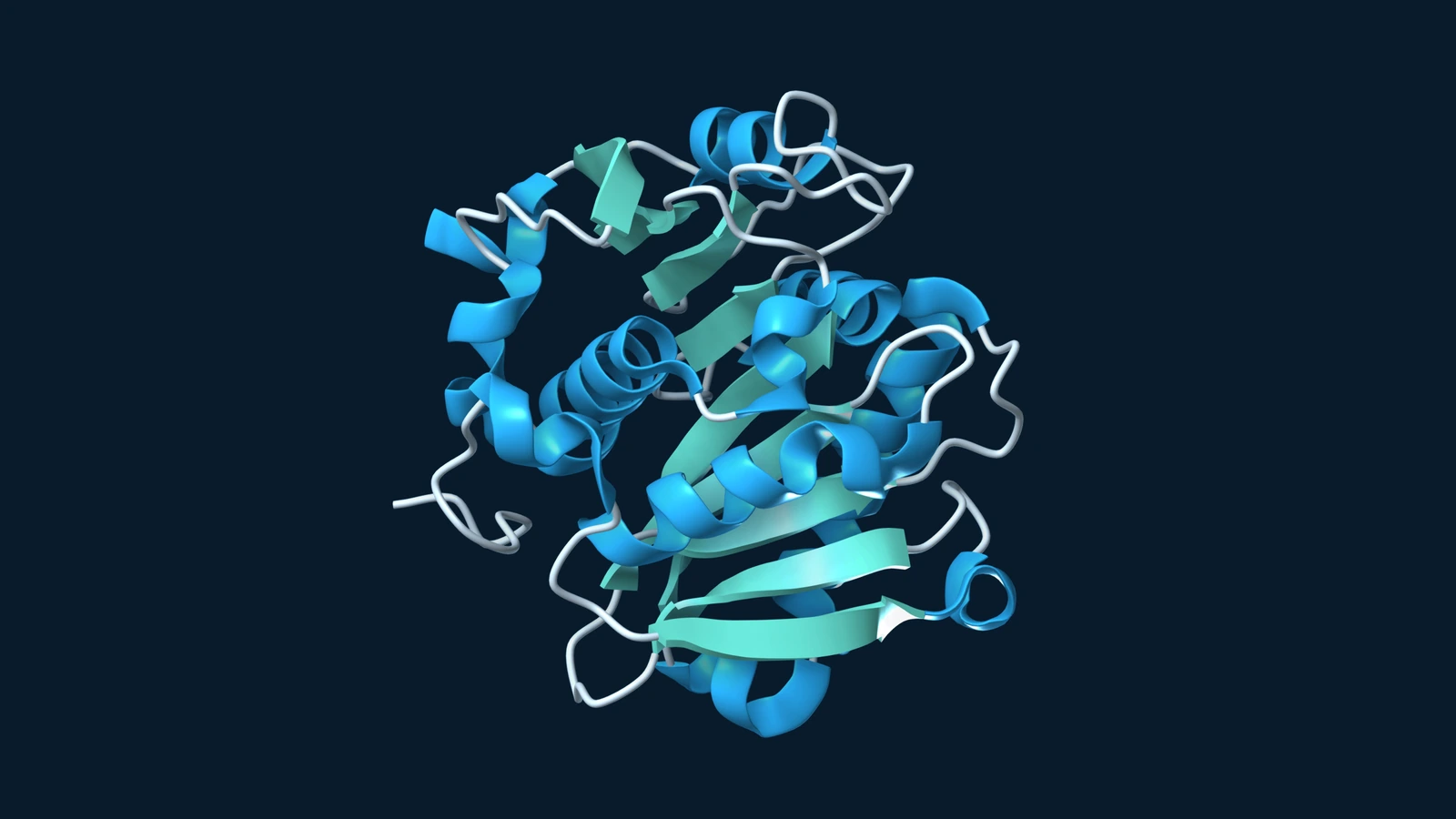
Researchers designed serine hydrolases around their catalytic machinery. The published results show why completing a reaction cycle matters as much as getting the fold right.
The science of enzymes. The possibilities they create.
Explore EnzymeNews
The models, databases and laboratory tools helping researchers understand and design enzymes.
8 results
Researchers designed serine hydrolases around their catalytic machinery. The published results show why completing a reaction cycle matters as much as getting the fold right.
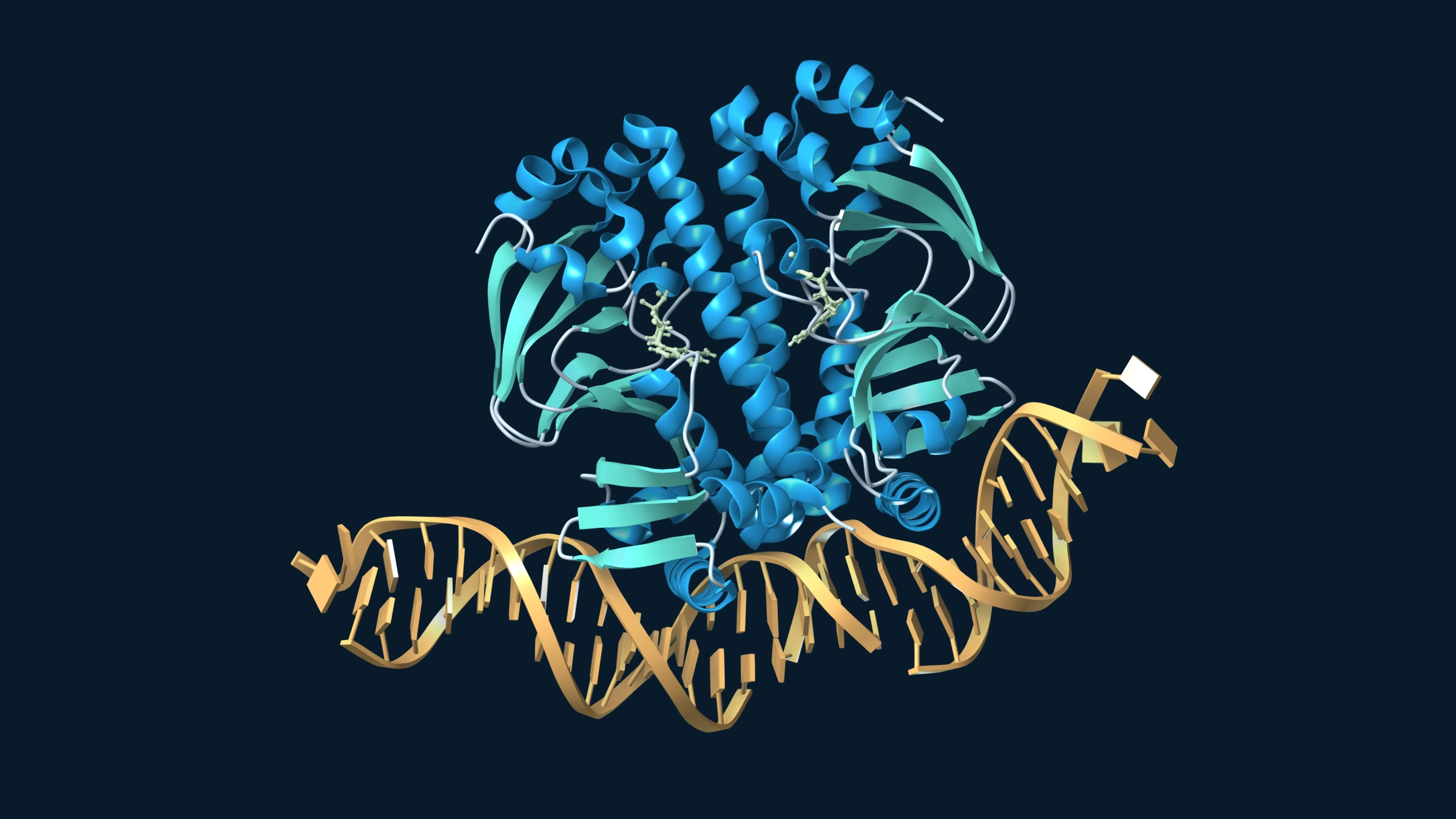
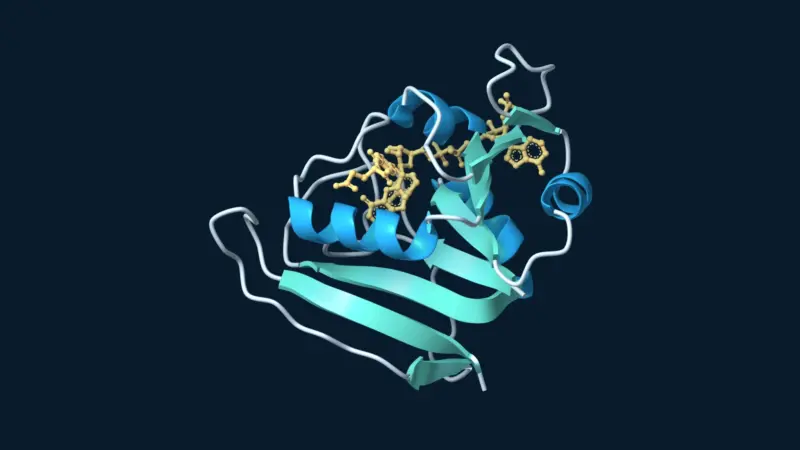
How do proteins fit together with DNA, RNA and smaller molecules? AlphaFold 3, introduced by Google DeepMind and Isomorphic Labs in May 2024, extends structure…
A cascade deep forest model reported strong performance at recognising proteins labelled as druggable. Its predictions can guide research, but still need biochemical and disease-specific…
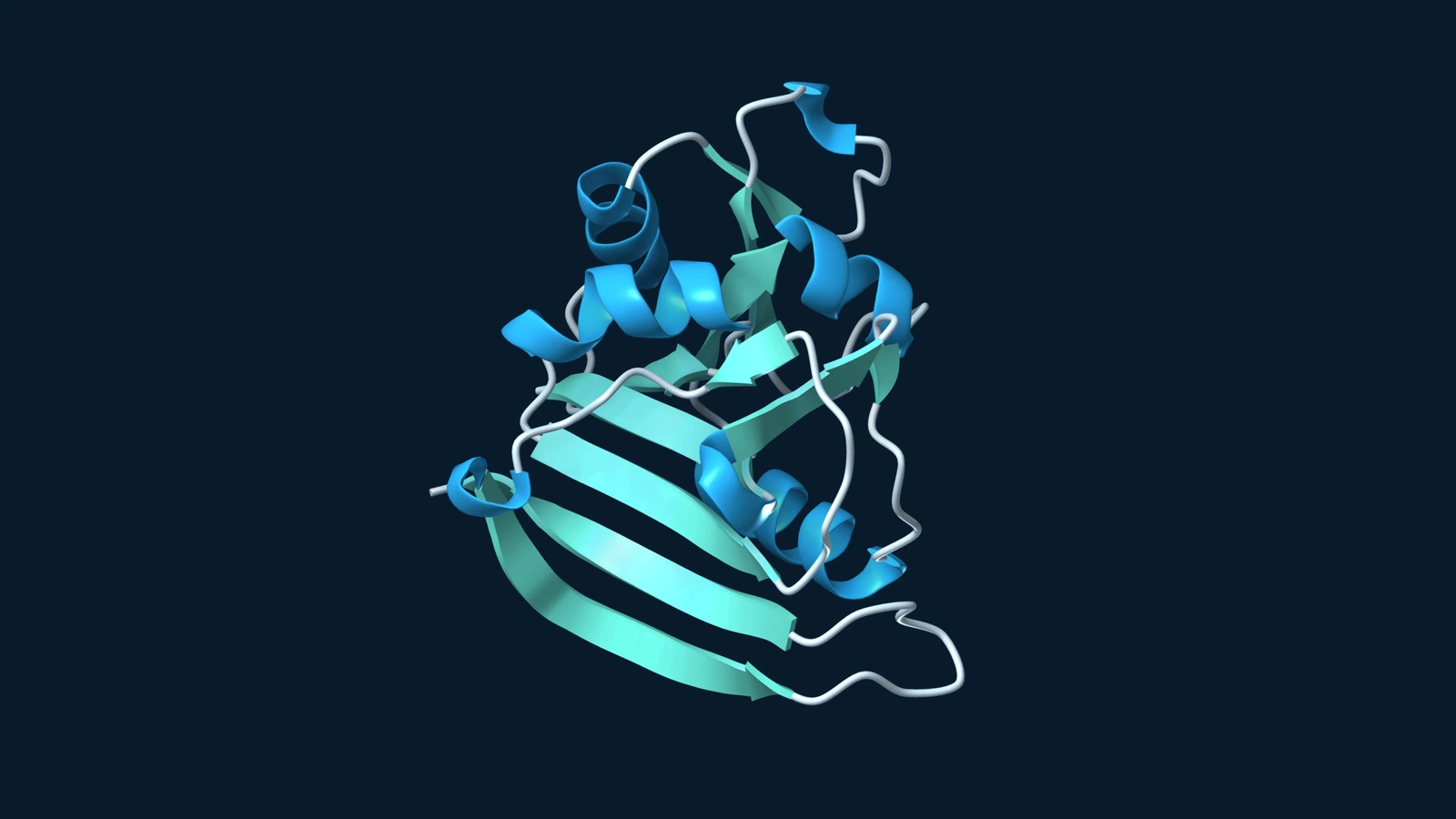
GraphKM uses enzyme sequences and substrate structures to estimate a key kinetic parameter. Its tests show promise, with important limits for laboratory use.
A 2024 study combined AI sequence generation with laboratory tests to design heat-tolerant GAPDH enzymes. The results show both promising variants and the limits of…
The PAZy database helps researchers trace evidence for plastic-degrading enzymes, distinguish tested proteins from predictions and compare experimental conditions.
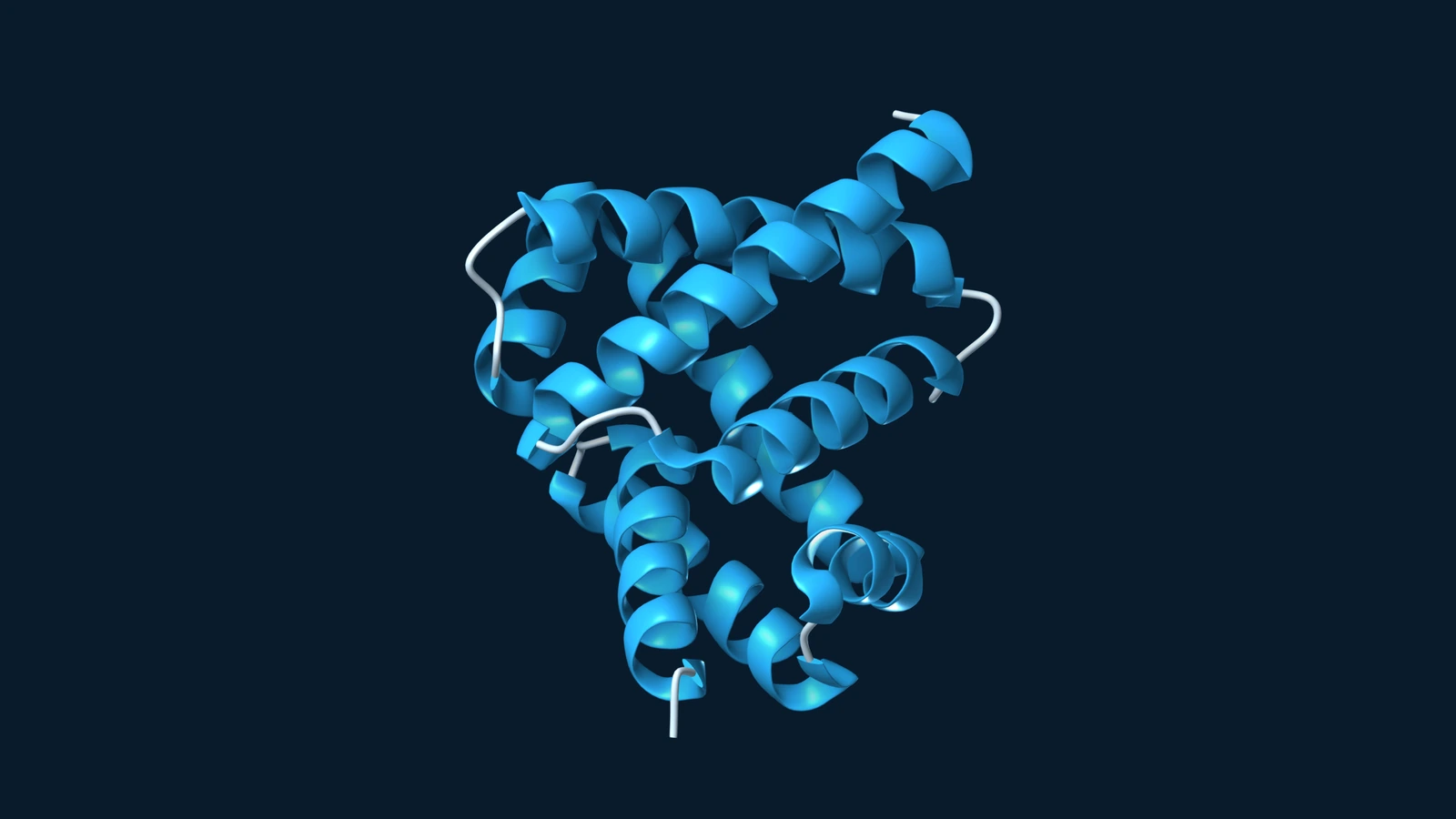
Patterns in natural protein sequences can help models suggest enzyme changes. A review explains the opportunity, the limits of prediction and why experiments matter.
AlphaFold 2 helps researchers explore enzyme structures and plan experiments. Confidence scores and biological context determine what a prediction can usefully tell us.