What if the bacteria that produce a textile could also help colour it? Researchers gave cellulose-producing bacteria a tyrosinase enzyme, enabling them to make the dark pigment eumelanin within the material they had grown.
The study by Kenneth Walker and colleagues, published online in Nature Biotechnology in April 2024, brought together researchers at Imperial College London and the biomaterials company Modern Synthesis. It demonstrated black bacterial-cellulose materials and prototype fashion pieces, with enzyme activity central to the colouring process.
Tyrosinase supplies the colour-making chemistry
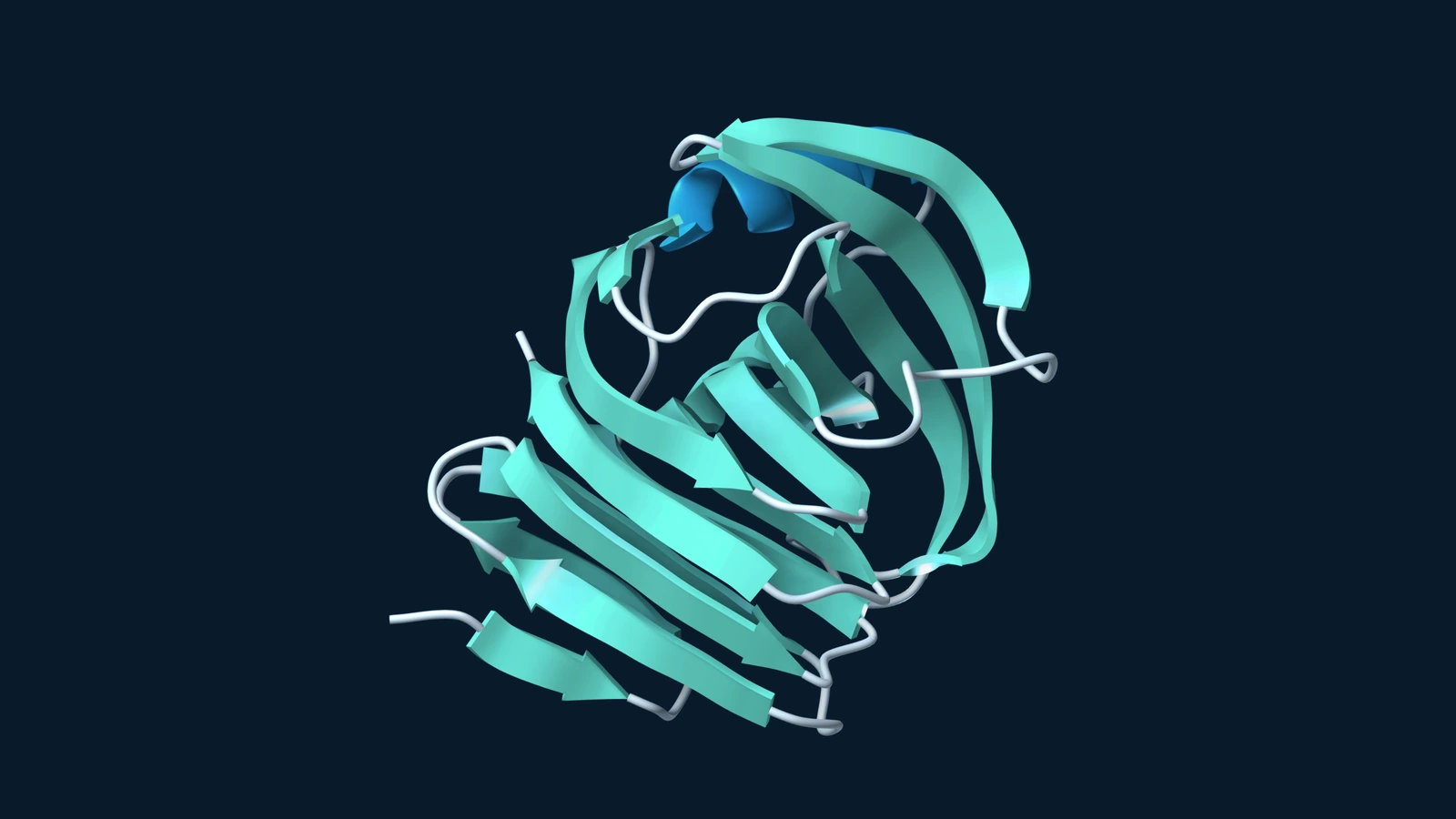
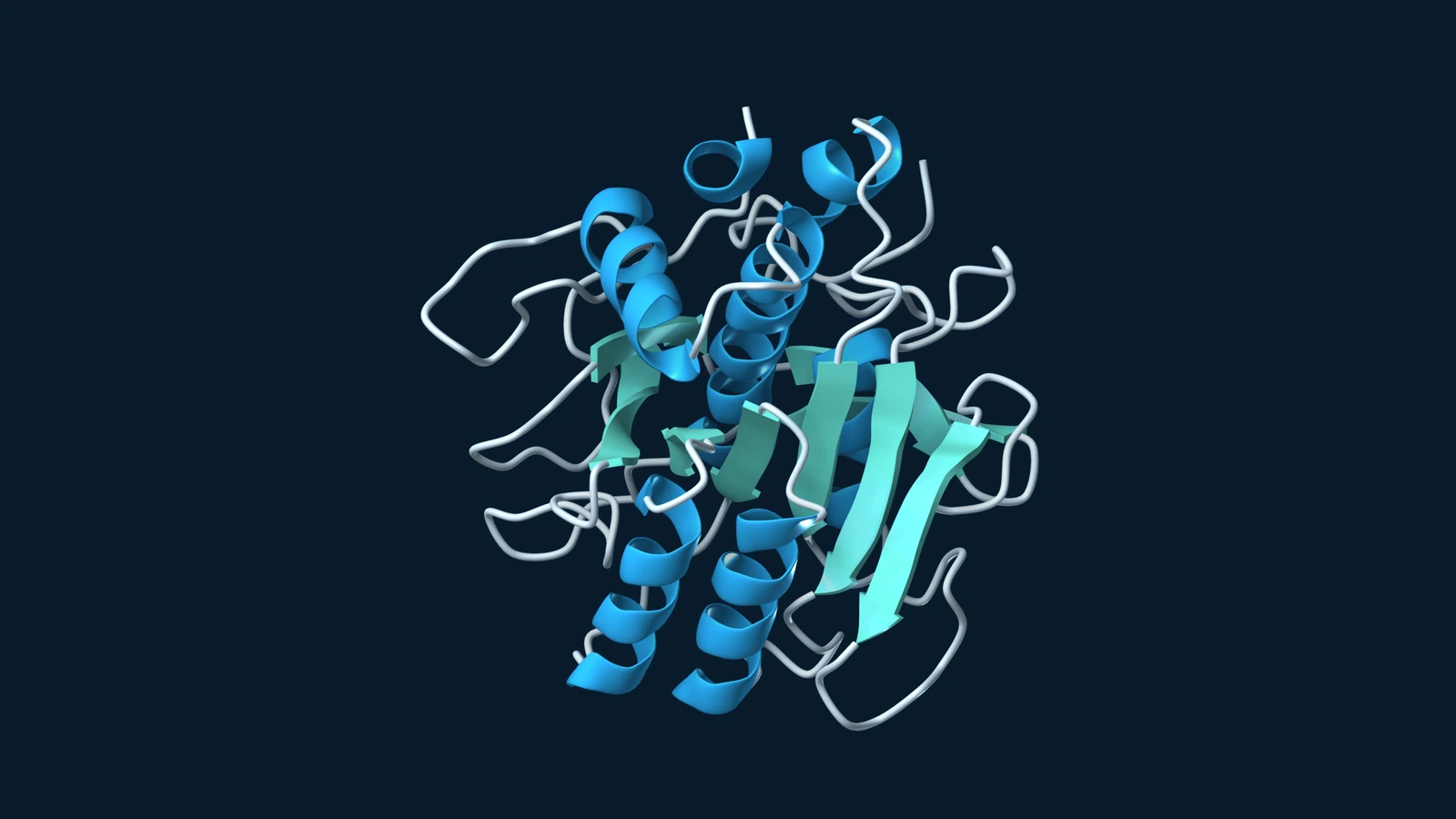
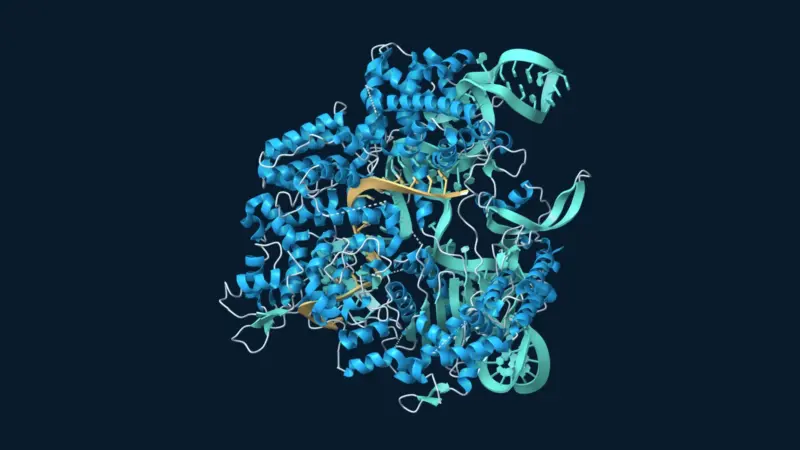
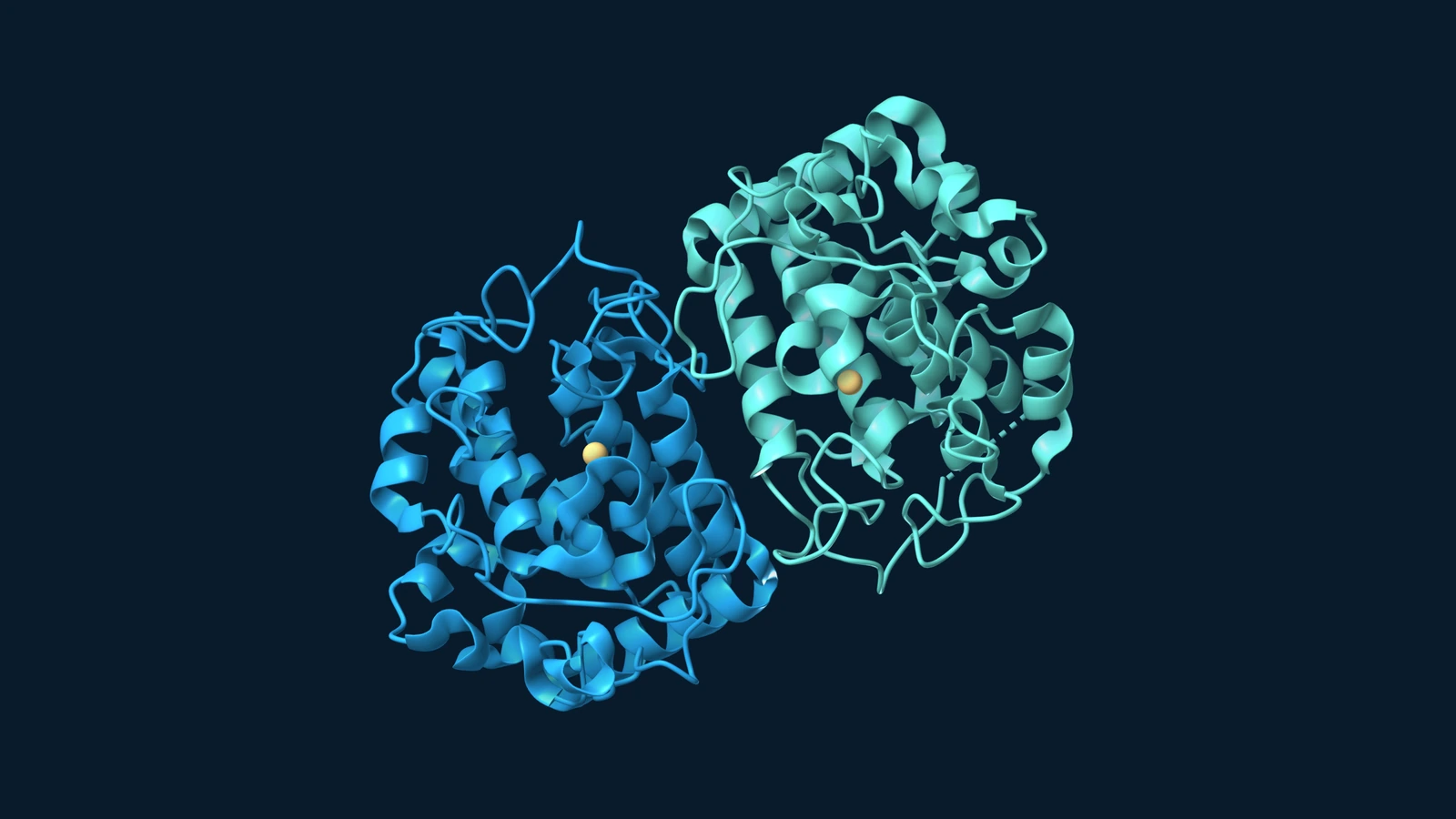
The bacterium Komagataeibacter rhaeticus naturally makes cellulose, forming a sheet of interwoven fibres at the surface of its culture. The researchers engineered it to express Tyr1, a tyrosinase from Bacillus megaterium.
Tyrosinase initiates the conversion of the amino acid tyrosine into compounds that subsequently form eumelanin. This dark pigment also occurs widely in nature. Here, the engineered cells helped deposit it throughout the bacterial-cellulose material.
The approach links two biological capabilities: growing the structural material and supplying the catalyst for its pigmentation. It does not involve engineering cotton plants or adding pigment-producing bacteria to ordinary woven cloth.
A two-stage process
The bacteria could not simply grow and colour the material efficiently in the same conditions. Their growth acidified the culture, whereas the tyrosinase worked more readily above neutral pH.
The researchers therefore separated the stages. They first grew the cellulose, then transferred it to a buffered solution containing tyrosine and copper ions to develop the pigment. This extra processing step matters when interpreting the term “self-pigmenting.”
The team produced a wallet and a shoe-upper prototype to show how the material could be shaped and used. These were demonstrations of what the approach might enable, rather than evidence that a finished commercial textile had passed every performance requirement.
Promising colour, with limits to the claims
A demonstration swatch retained its pigmentation over 42 months of use. Mechanical comparisons also found no statistically significant difference in the tested tensile properties between pigmented and unpigmented cellulose sheets.
Those results are encouraging, but they are not a complete clothing-care assessment. Colour retention in a demonstration sample should not be confused with validated performance across repeated washing, abrasion and exposure in everyday garments.
The researchers also explored controlling gene expression with blue light. Fluorescent patterns were clearer than the attempted eumelanin patterns: background pigment production limited the latter. The work therefore did not yet establish precise, programmable printing of dark designs.
Where enzymes fit into textile development
The attraction is a route to pigmentation that is integrated with biological material production. Whether that route ultimately reduces environmental impacts depends on the complete process, including growth media, buffering, additives, energy use and finishing. This study did not establish a comparative life-cycle advantage over conventional textiles.
The broader idea is to give material-producing microbes a useful new chemical capability. Other applications of enzyme engineering aim to alter industrial reactions, including the peroxygenase research covered here.
The paper disclosed company roles and stock interests involving Modern Synthesis, as well as a patent application covering the work.
Source
Walker, K. T. et al. Self-pigmenting textiles grown from cellulose-producing bacteria with engineered tyrosinase expression. Nature Biotechnology, 43, 345–354. Read the study. Published online 2 April 2024; assigned to the 2025 journal volume.
Update note: The original publication date and URL are retained. This revision explains the enzyme mechanism, separates prototypes from commercial claims and clarifies the limits of light-controlled patterning.