Discovery
Ribonuclease A: The Lab Workhorse That Revealed How Proteins Fold
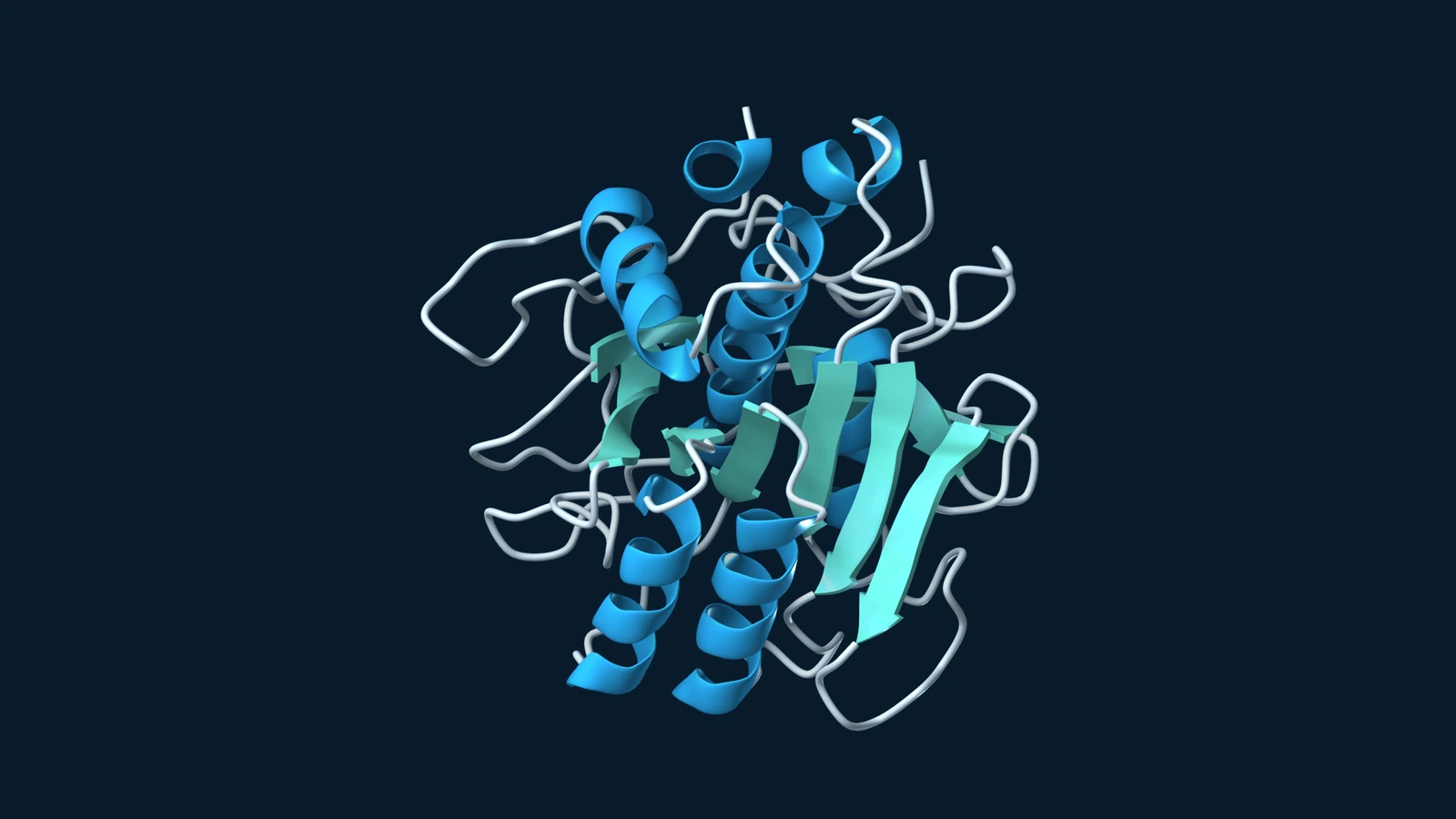
A familiar enzyme that removes RNA from DNA samples once revealed how a protein finds its working shape. RNase A’s small structure carries an unusually…
The science of enzymes. The possibilities they create.
Explore EnzymeNews
Dr. Matheus Regis Belisário Ferrari is the owner and editor of EnzymeNews. Based in Germany, he holds a PhD and has a research background in biotechnology, biochemistry, molecular biology and enzyme engineering. He uses AI tools to assist with article drafting and checks the articles against their original research sources before publication.
41 results
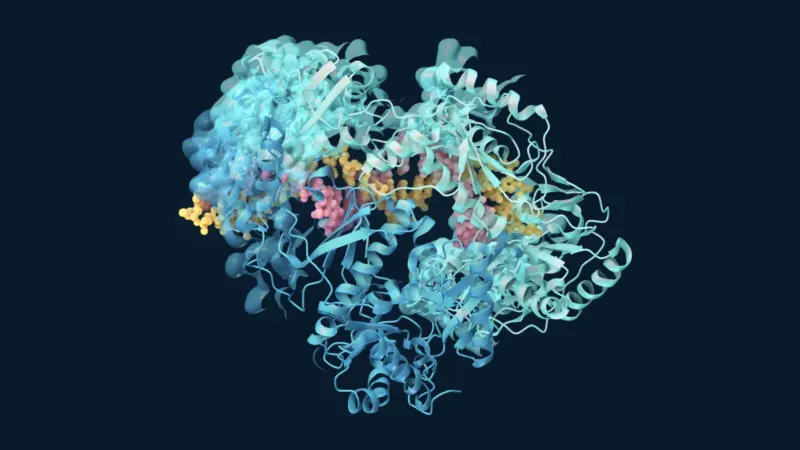
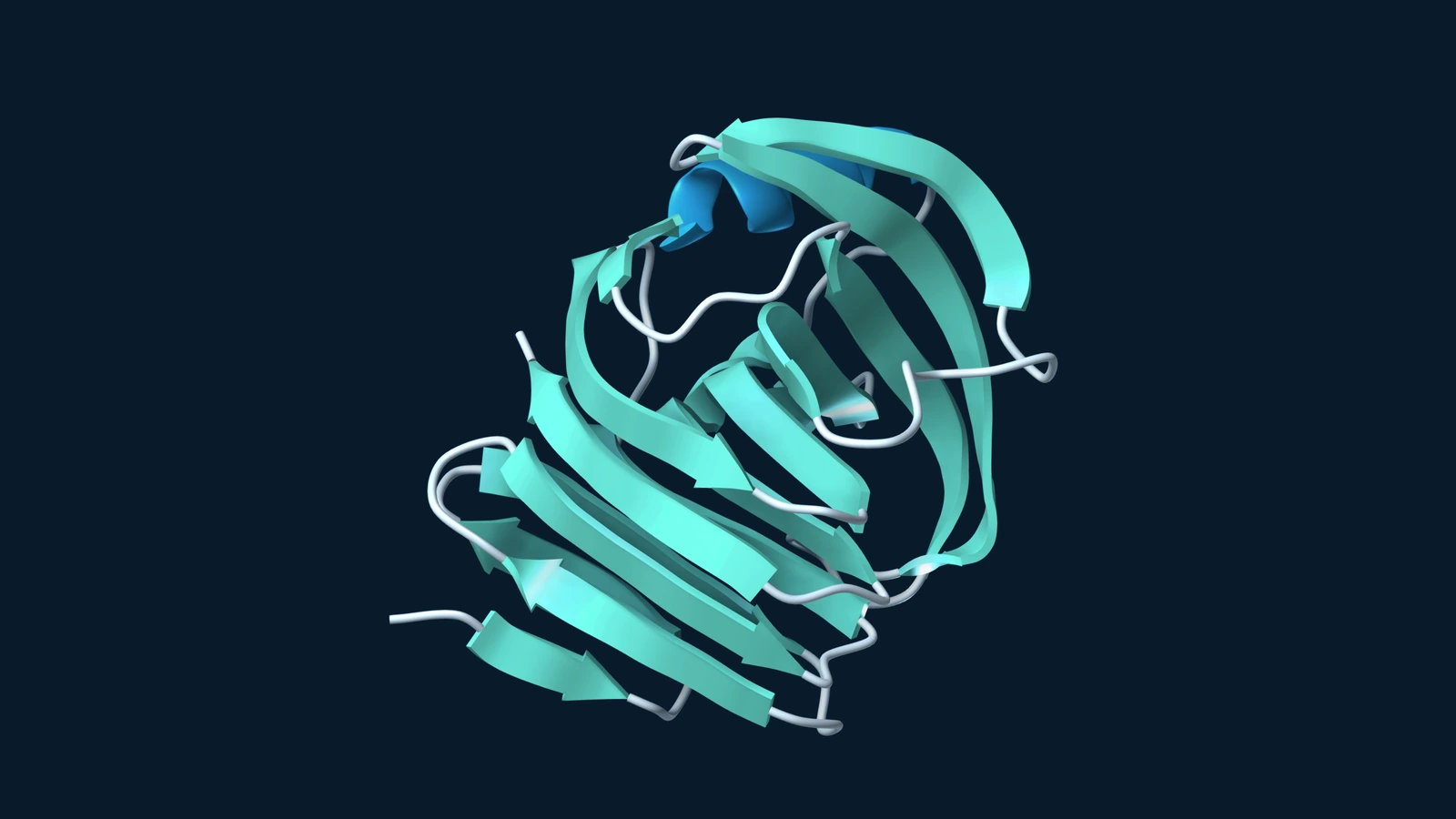
A familiar enzyme that removes RNA from DNA samples once revealed how a protein finds its working shape. RNase A’s small structure carries an unusually…
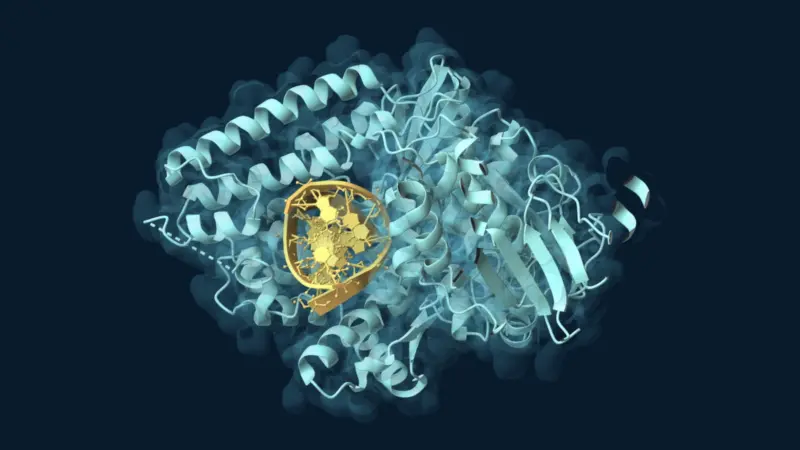
Before many RNA tests can give an answer, an enzyme makes a DNA copy. Meet reverse transcriptase, the discovery that helped reshape virology and became…
A bacterium from hot springs supplied the heat-resistant enzyme that helped PCR become routine. Meet Taq polymerase and the discoveries behind a method that changed…
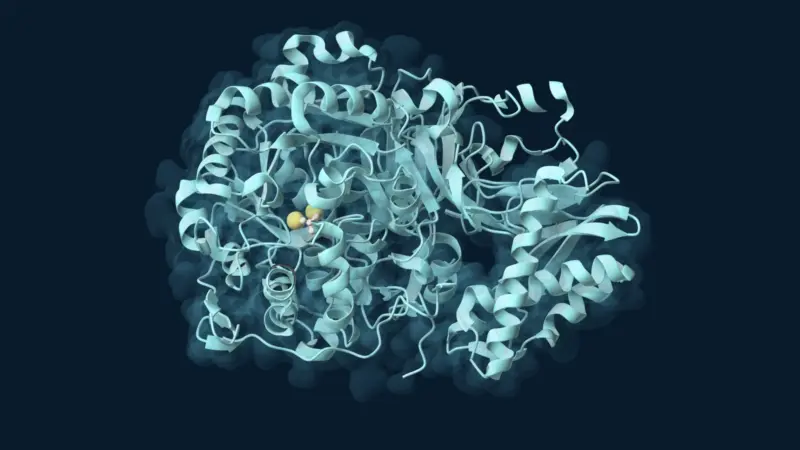
A bean protein helped scientists understand what enzymes are. Meet urease, the nickel-containing catalyst whose story connects Nobel history, laboratory experiments and the nitrogen in…
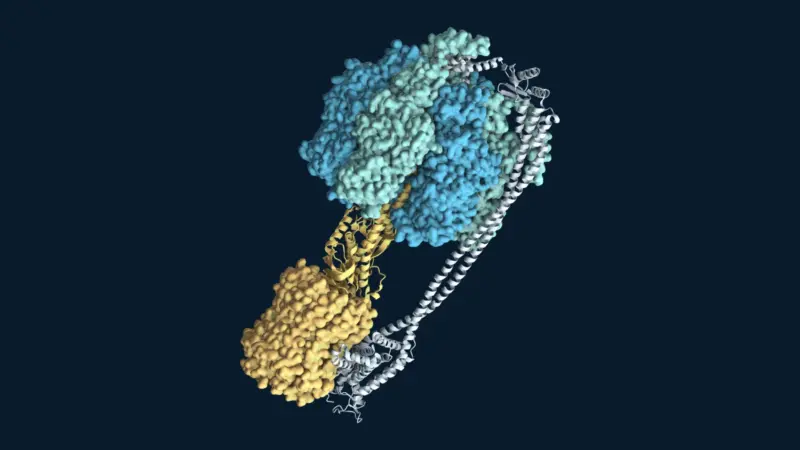
Part of this enzyme really rotates. Discover how ATP synthase couples a membrane gradient to molecular motion, why its mechanism earned Nobel recognition and what…
From fermentation to CRISPR, enzymes have repeatedly changed how scientists understand life and how they work with it.
In laboratory tests, a molecule helped cells break down an enzyme involved in some blood cancers—even though it held on to its target permanently.
Some fat burns fuel to produce warmth. A mouse study suggests that keeping cholesterol in balance helps this natural heating system do its job.
An inhibitor-resistant xylanase improved loaf volume and crumb softness in baking tests, but taste, commercial performance and safe shelf life need separate evidence.
Researchers redesigned the PB92 protease to survive heat for longer. The results show why a useful industrial enzyme needs both stability and activity.
Researchers introduced tyrosinase into cellulose-producing bacteria to make dark textile materials. The enzyme connection is direct, but the process remains at the prototype stage.
Researchers designed serine hydrolases around their catalytic machinery. The published results show why completing a reaction cycle matters as much as getting the fold right.