Someone tasting plain lactose-free milk for the first time might turn the carton round to look for added sugar. The sweetness can be quite real even when the ingredients list contains no added sweetener. To understand why, it helps to ask what happened to the milk’s original sugar rather than what somebody put in its place.
Ordinary cow’s milk contains lactose, a molecule made of two smaller sugars, glucose and galactose, joined together. A common way to make lactose-free milk is to add lactase, also called β-galactosidase. The enzyme helps water break the bond. The products remain in the milk, and their mixture can taste sweeter than the lactose from which it came.
Count the molecules and you can see the source of a familiar misunderstanding. Hydrolysing one molecule of lactose yields one glucose and one galactose. There are now two sugar molecules where there was one, but the manufacturer has not doubled the amount of carbohydrate by adding sugar. The sugar units were present all along, joined as a pair. Nor has the enzyme extracted them from the carton. Hydrolysis, the chemical splitting of a molecule using water, is a different process from filtering a substance out.
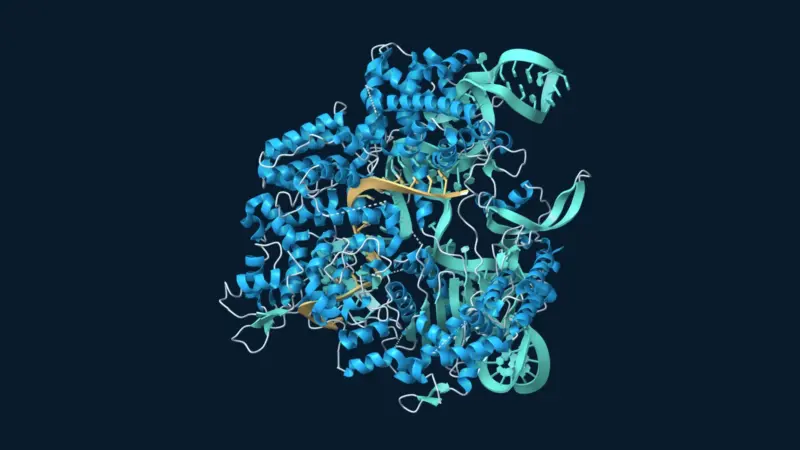
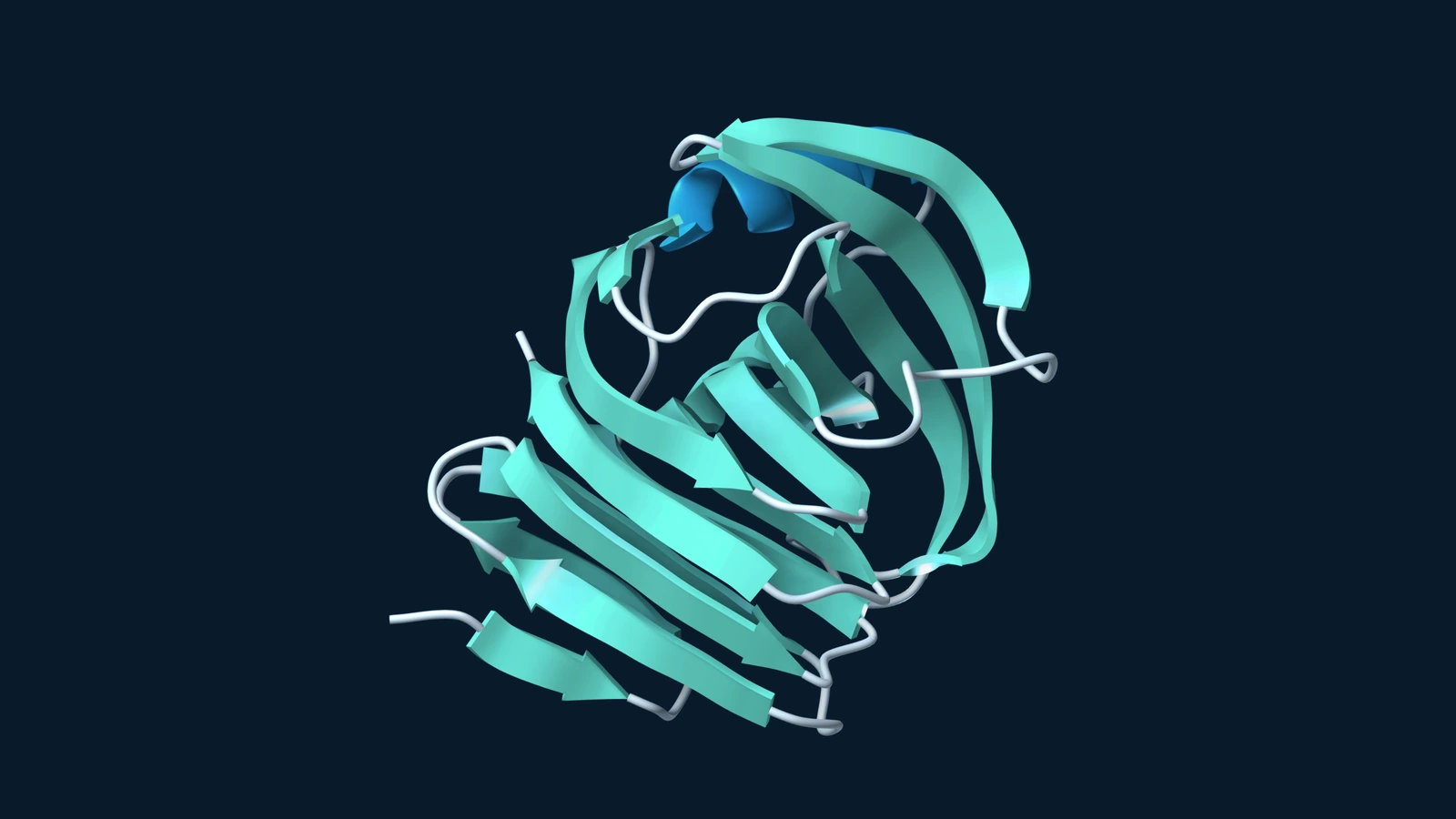
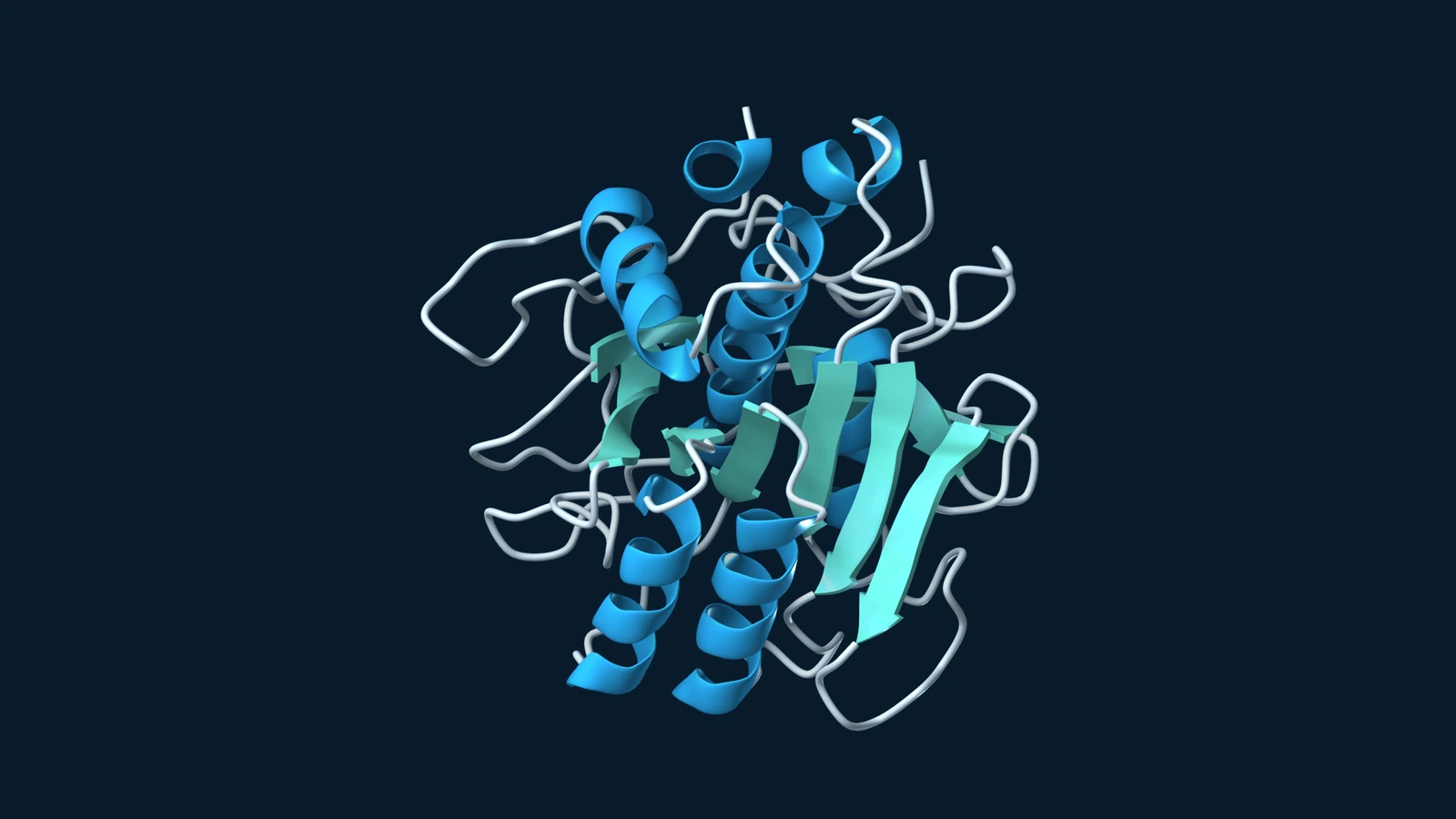
Watch the molecular film
Do people actually notice?
Researchers asked lactose-free milk consumers what they wanted from the product and also gave them samples to taste. The two approaches answer different questions. Participants can say what they value or dislike in a focus group; an acceptance test measures how they respond to particular samples. A chemistry result, on its own, does neither.
In the consumer study published in 2020, three focus groups involved 25 people in total; a separate online survey had 331 participants, and 160 took part in the acceptance test. The researchers also used a trained panel to describe the milk. Focus-group participants generally viewed extra sweetness as a drawback when comparing lactose-free and traditional milk. Yet across the tasting population, stronger sweet taste was associated with liking. The apparent contradiction says something useful about product design. What people say about lactose-free milk as a category is not a perfect prediction of how they will score a particular glass.
Milk also has an aroma, a texture and a processing history. A relationship between sweetness and liking across several products does not prove that adding sweetness alone would improve every one. People with different preferences answered the study, and commercially available products can differ in more ways than their lactose content. A sweeter taste is understandable; it is not an infallible test of how a carton was made.
A yeast enzyme, seen with one of its products
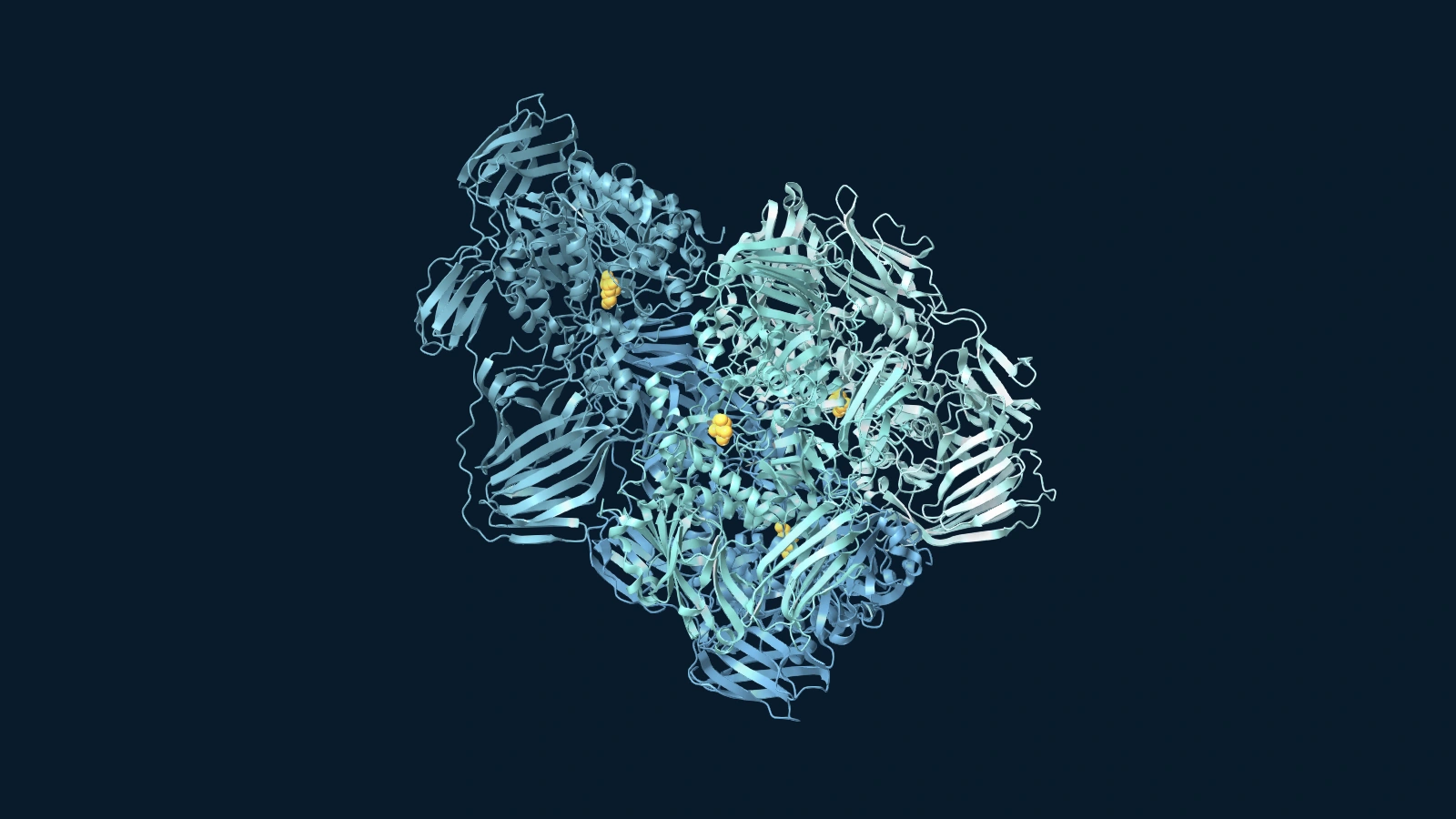
The enzyme added at the dairy need not come from a cow. One well-studied industrial lactase comes from the yeast Kluyveromyces lactis. In the lactase structure study, researchers examined the enzyme both without sugar bound in its active site and with galactose. Its four subunits form two pairs. Within each pair, the catalytic centres lie at the interfaces, along a narrow channel. In other words, the way two protein chains assemble helps create the setting in which the sugar chemistry happens.
Open the galactose-bound structure and you can see where one of the products fits. That small molecule is galactose, not intact lactose. The experiment located it in a folded protein; it did not film the bond breaking or tell us how sweet the product would taste. To answer a processing question, a researcher still has to measure changes in actual milk. This is a recurring lesson in food enzymology, also illustrated in EnzymeNews’s report on an enzyme used in baking: the performance of an enzyme in a food matrix is an experimental question in its own right.
When the enzyme builds a sugar instead
There is a twist to the simple account of one sugar becoming two. Water is not the only possible recipient of the galactose unit during enzyme action. Transfer to another sugar instead can build a short chain called a galactooligosaccharide. Following only the disappearing lactose can therefore miss some of what is happening in the mixture.
In the concentrated-milk experiment, Payal Singh and colleagues studied a refrigerated process at 7 °C. Their material was concentrated skim milk with 40% total solids, rather than ordinary drinking milk. With the reported yeast-enzyme treatment, the short-chain sugars reached their highest measured level at four hours. By twelve hours more of the lactose had been hydrolysed, but some of those new chains had also broken down. The best sampling time for one product was not the best time for the other. The concentrations in that experiment should not be read as the composition of a supermarket carton.
Lactase is selective in another sense that matters at the label. Treating lactose does not remove the proteins in milk. As the NIDDK explanation of intolerance and milk allergy makes clear, difficulty digesting lactose and an immune response to milk proteins are different conditions. Lactose-free dairy milk remains dairy milk; the enzyme treatment does not make it an alternative for someone allergic to those proteins.
So the interesting question at the supermarket is not whether sweetness appeared from nowhere. It is what became of the molecule that was originally responsible for relatively little of it. In a lactase-treated carton, much of that lactose is gone as lactose; its constituent sugars are still there for the tongue to find.