Industry
Engineered Enzyme Produces Bigger, Softer Bread in Baking Tests
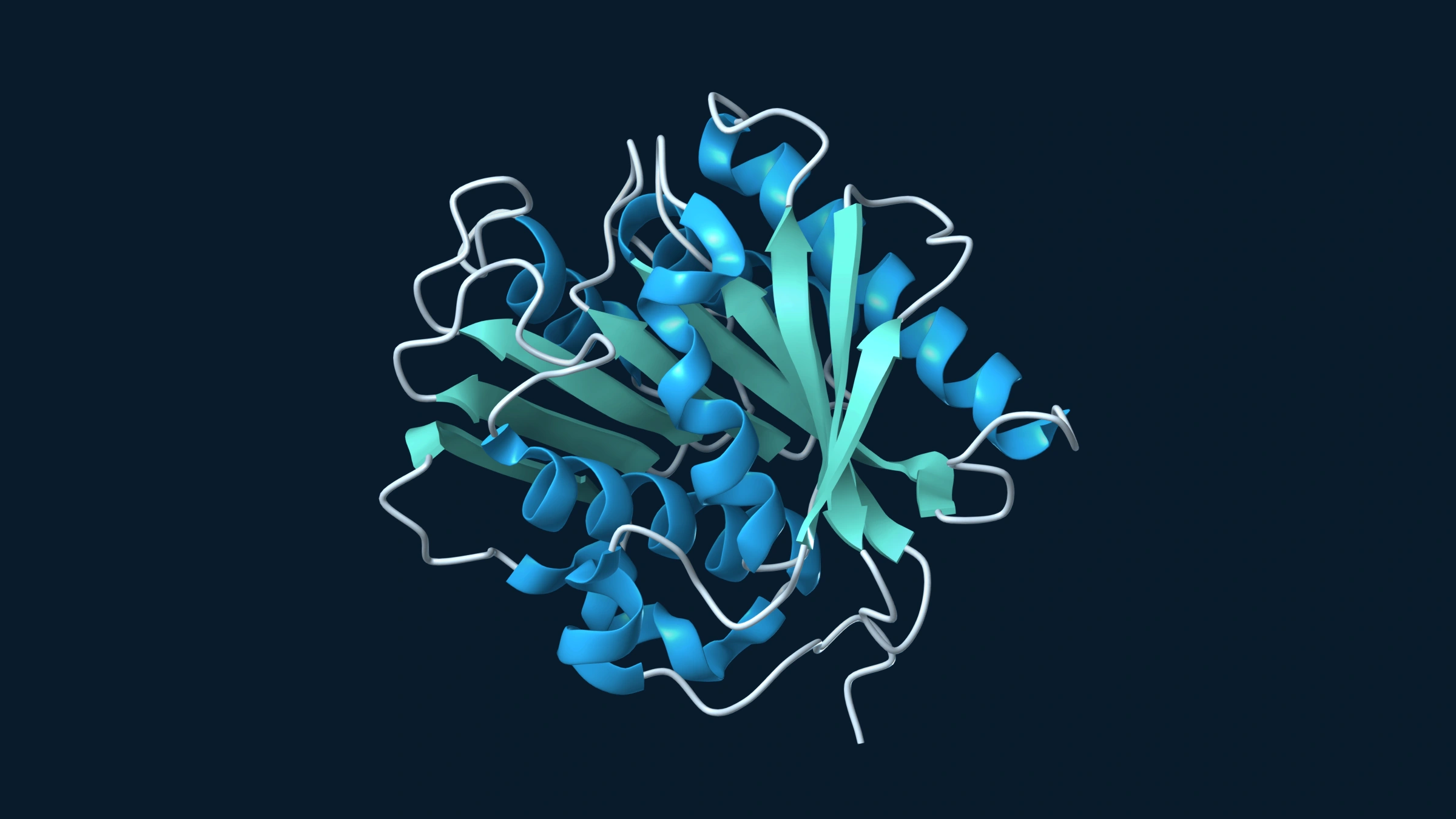
An inhibitor-resistant xylanase improved loaf volume and crumb softness in baking tests, but taste, commercial performance and safe shelf life need separate evidence.
The science of enzymes. The possibilities they create.
Explore EnzymeNews
Explore enzyme research, applications and tools.
33 results
An inhibitor-resistant xylanase improved loaf volume and crumb softness in baking tests, but taste, commercial performance and safe shelf life need separate evidence.
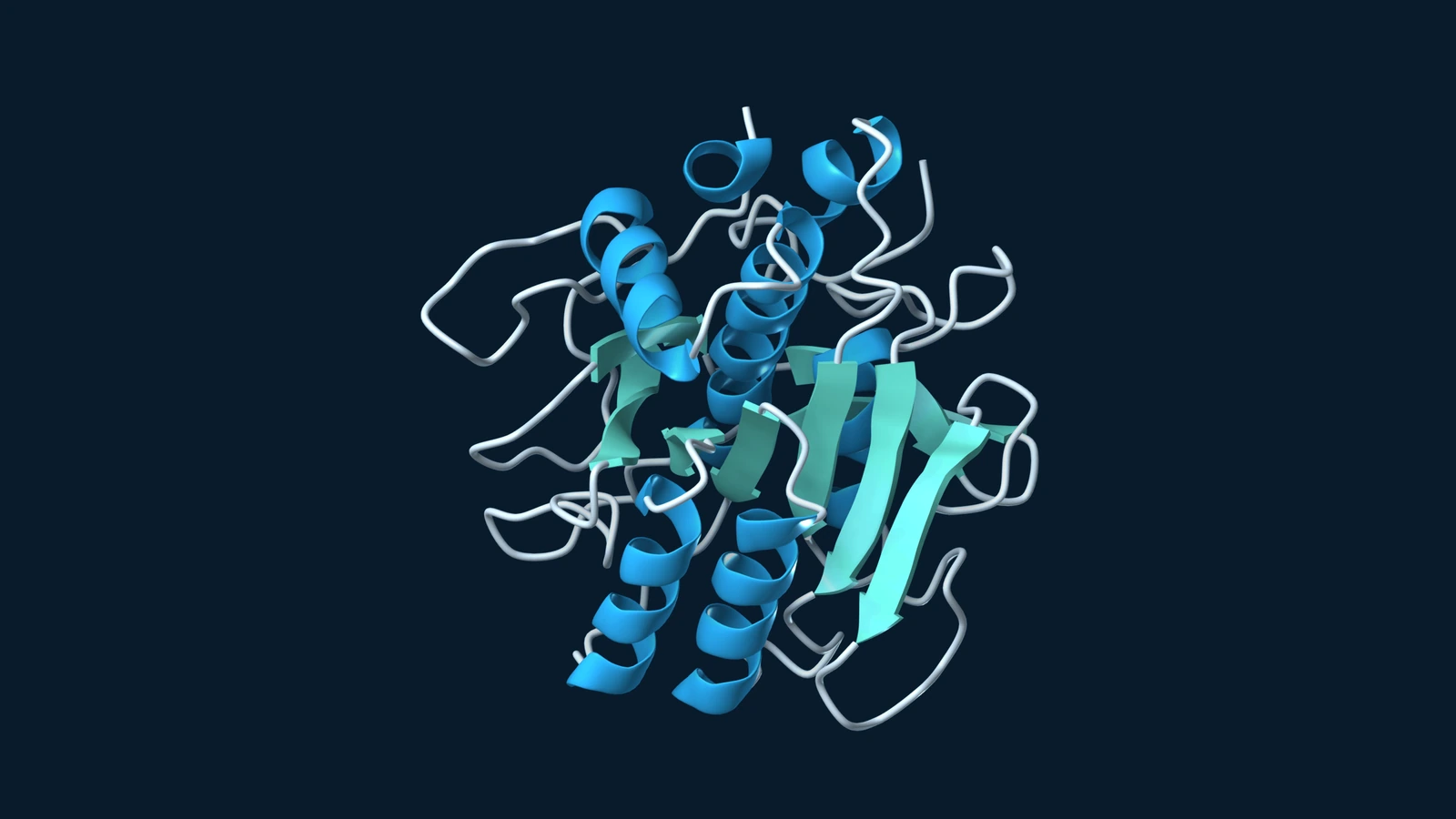
Researchers redesigned the PB92 protease to survive heat for longer. The results show why a useful industrial enzyme needs both stability and activity.
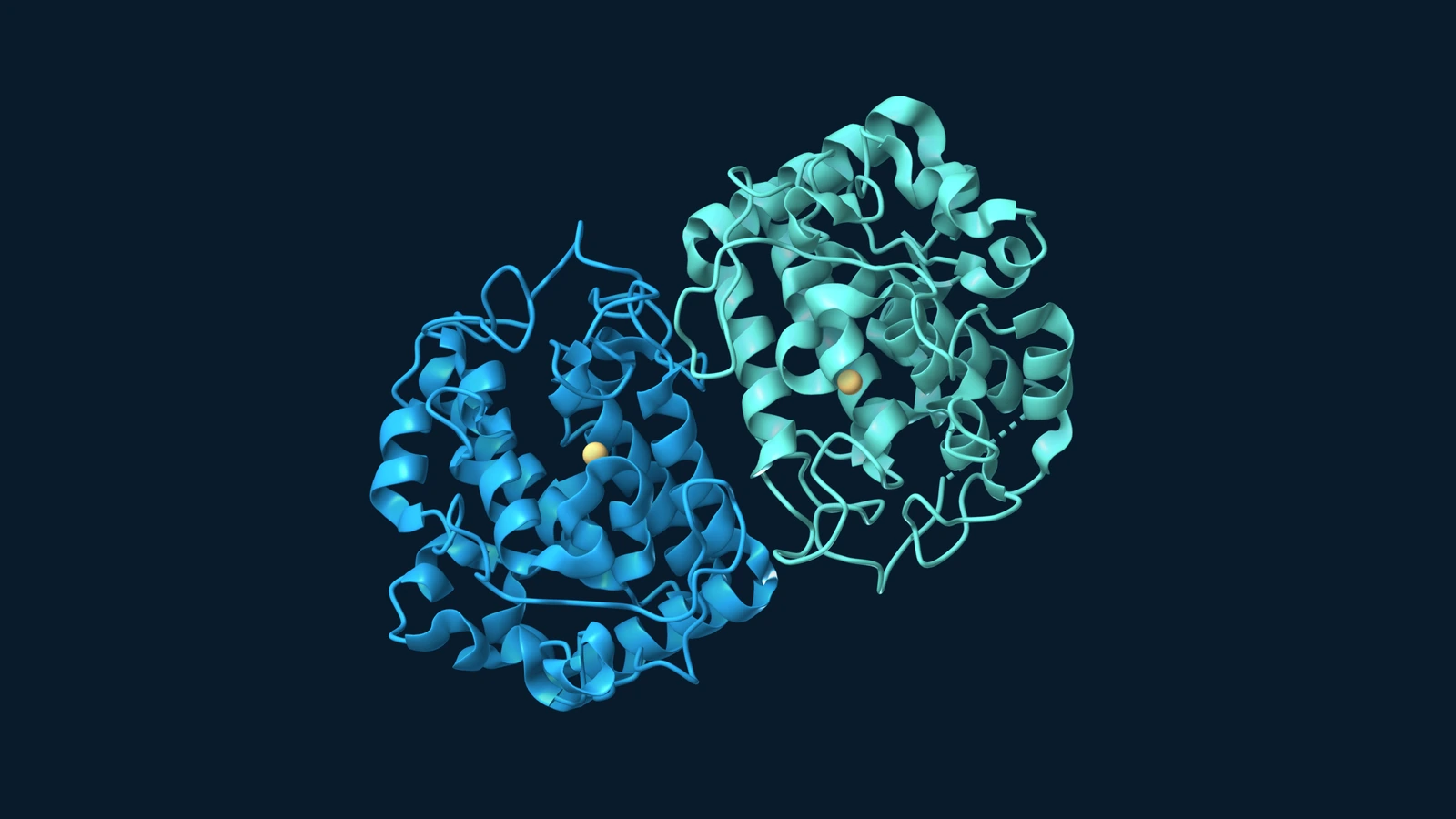
Researchers introduced tyrosinase into cellulose-producing bacteria to make dark textile materials. The enzyme connection is direct, but the process remains at the prototype stage.
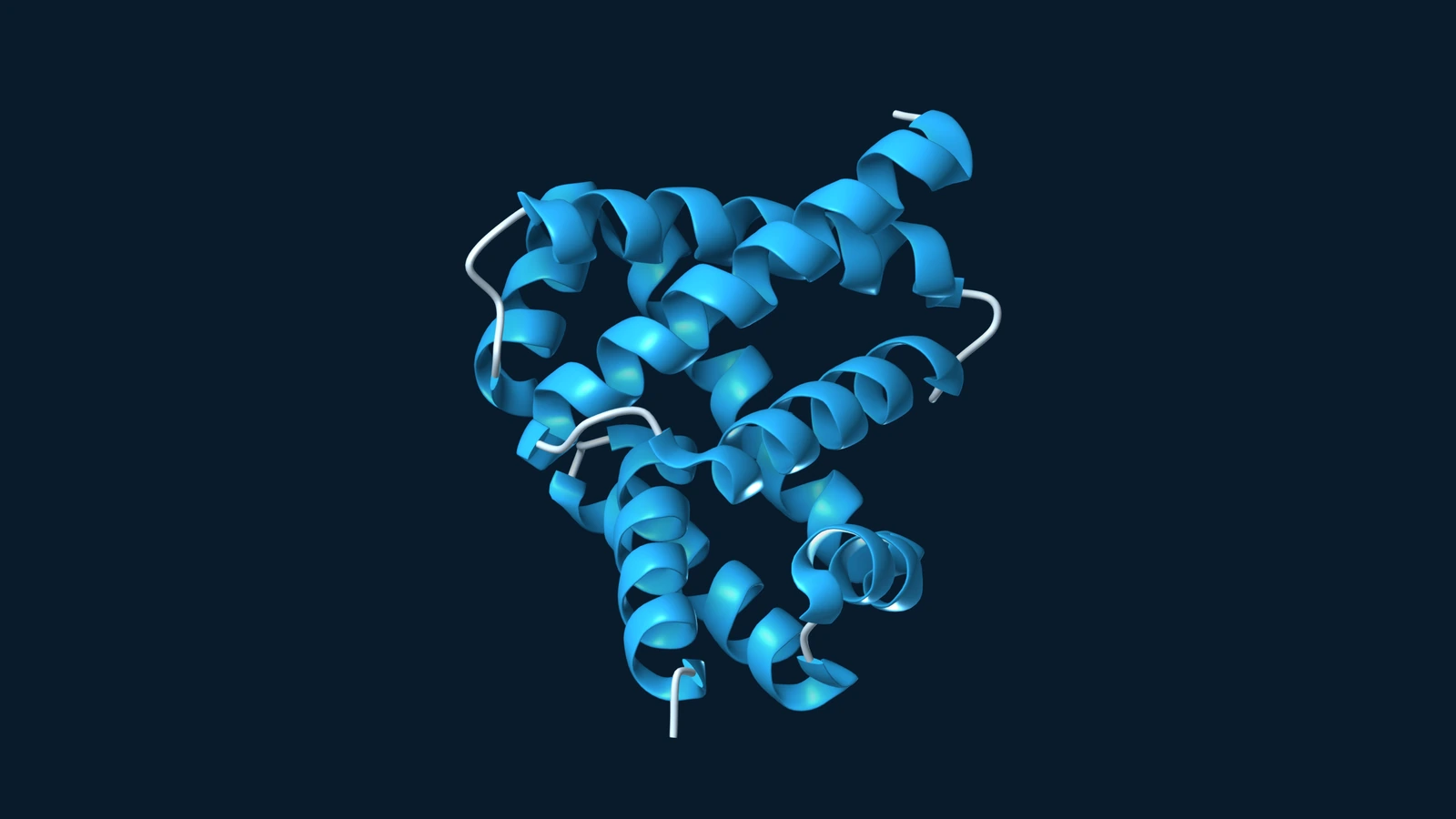
Researchers designed serine hydrolases around their catalytic machinery. The published results show why completing a reaction cycle matters as much as getting the fold right.
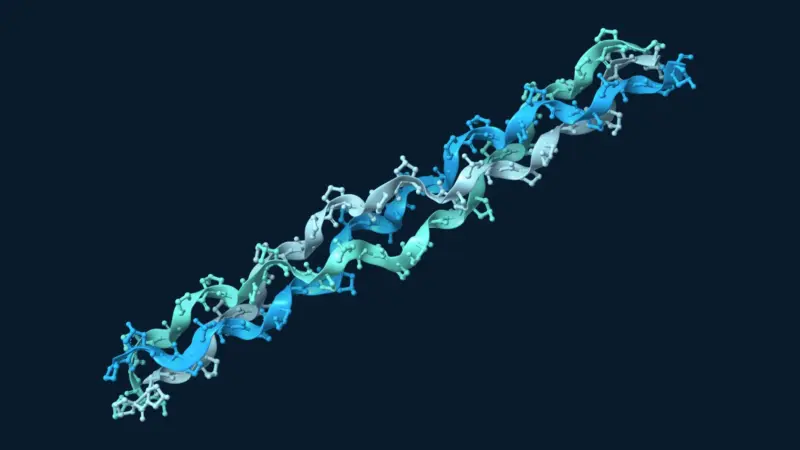
Researchers have reported a new method for collagen crosslinking using manganese oxide nanoparticles that mimic an enzyme’s catalytic activity.
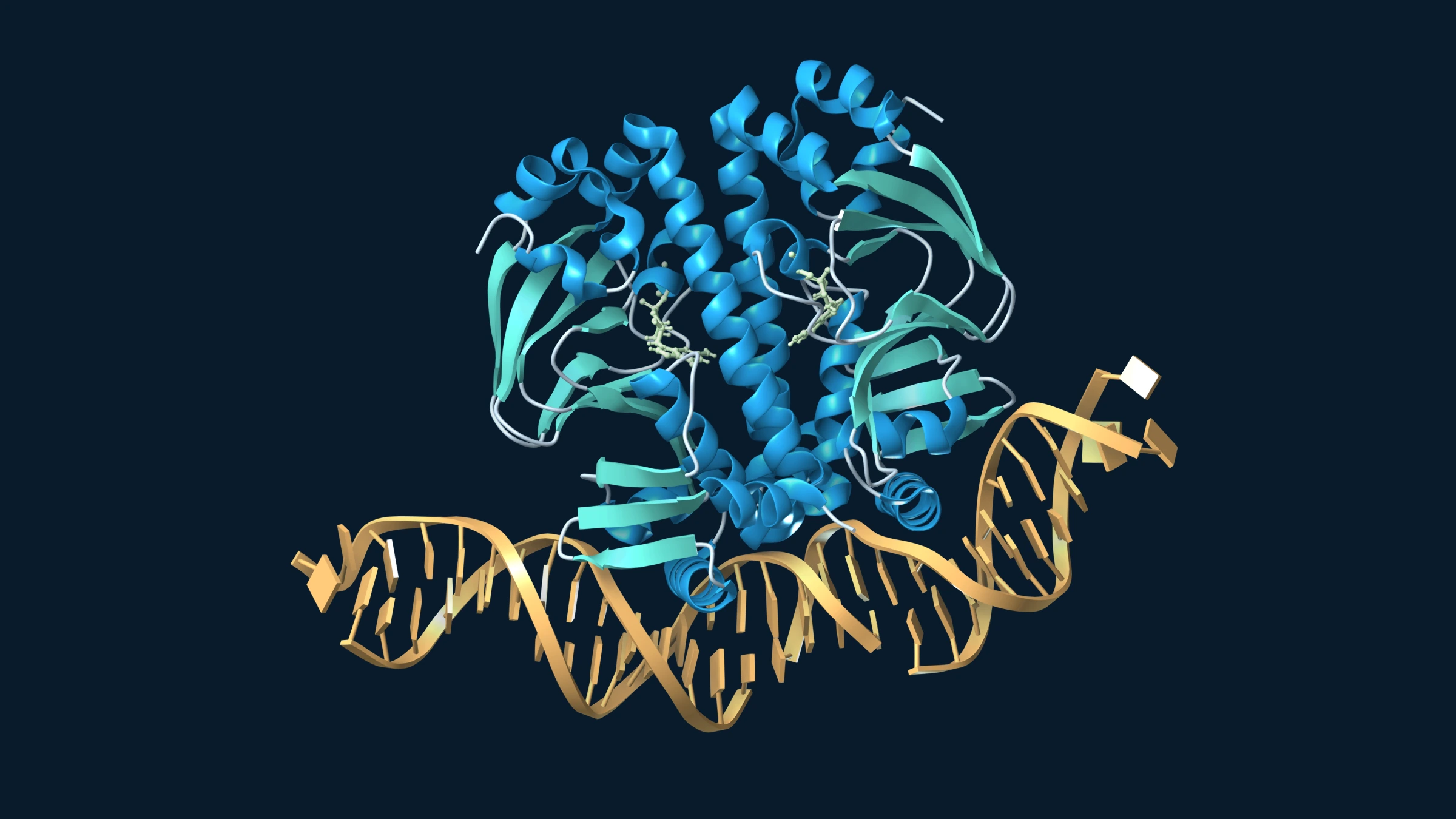
How do proteins fit together with DNA, RNA and smaller molecules? AlphaFold 3, introduced by Google DeepMind and Isomorphic Labs in May 2024, extends structure…
A cascade deep forest model reported strong performance at recognising proteins labelled as druggable. Its predictions can guide research, but still need biochemical and disease-specific…
GraphKM uses enzyme sequences and substrate structures to estimate a key kinetic parameter. Its tests show promise, with important limits for laboratory use.
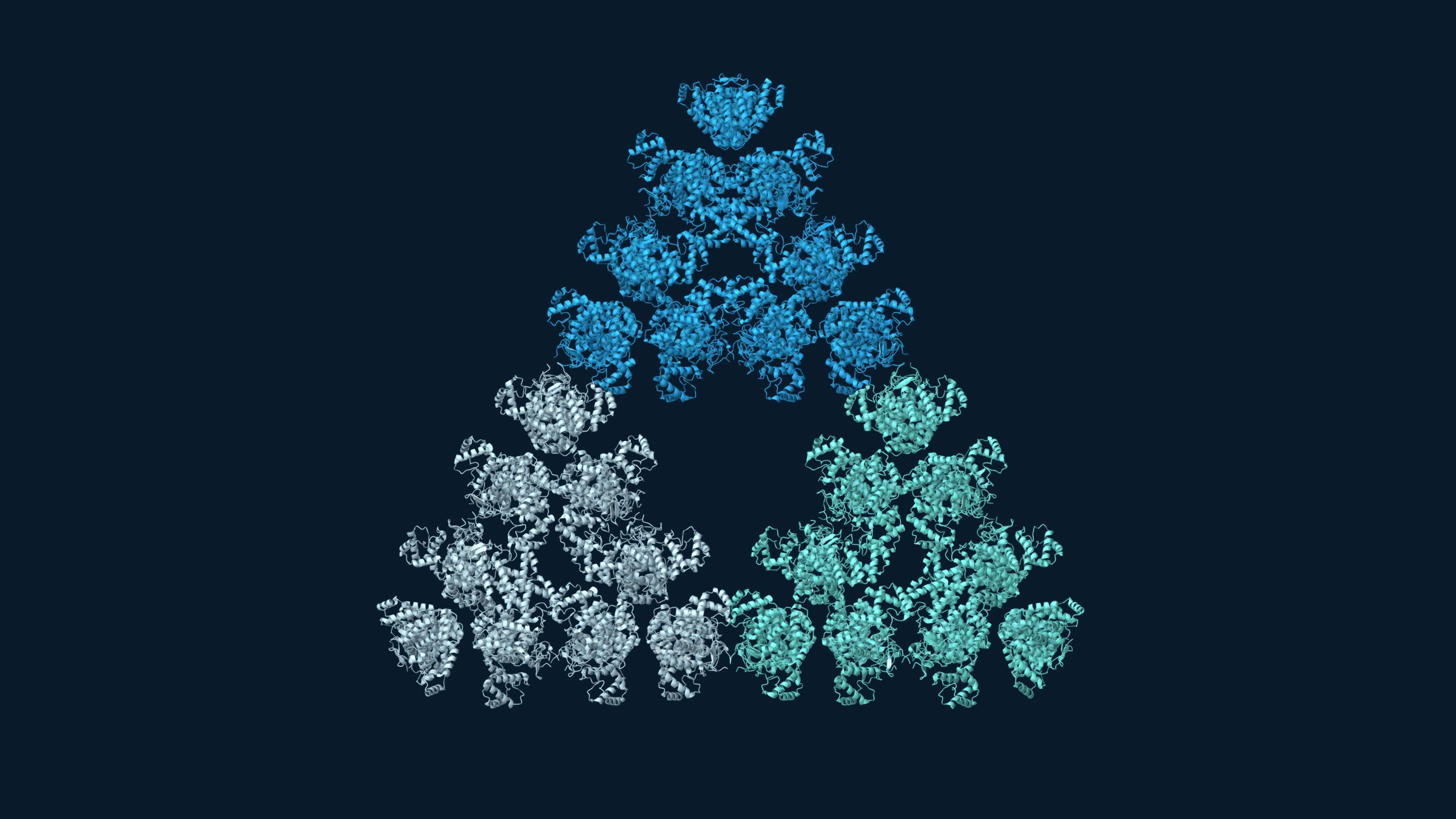
An enzyme involved in metabolism can also build striking patterns of triangles within triangles.
A 2024 study explored the genetics and cell biology behind a tomato plant's patchy leaves. It identified an FtsH-related candidate, with key tests still needed.
How does an enzyme’s performance change from one plastic to another? A new study in Biotechnology Journal, published in April 2024, compares four bacterial enzymes—DaPUase,…
A ligase from a bacteriophage can efficiently attach DNA to the normally difficult 5′ end of RNA. Researchers demonstrated a possible adapter-ligation application, with broader…