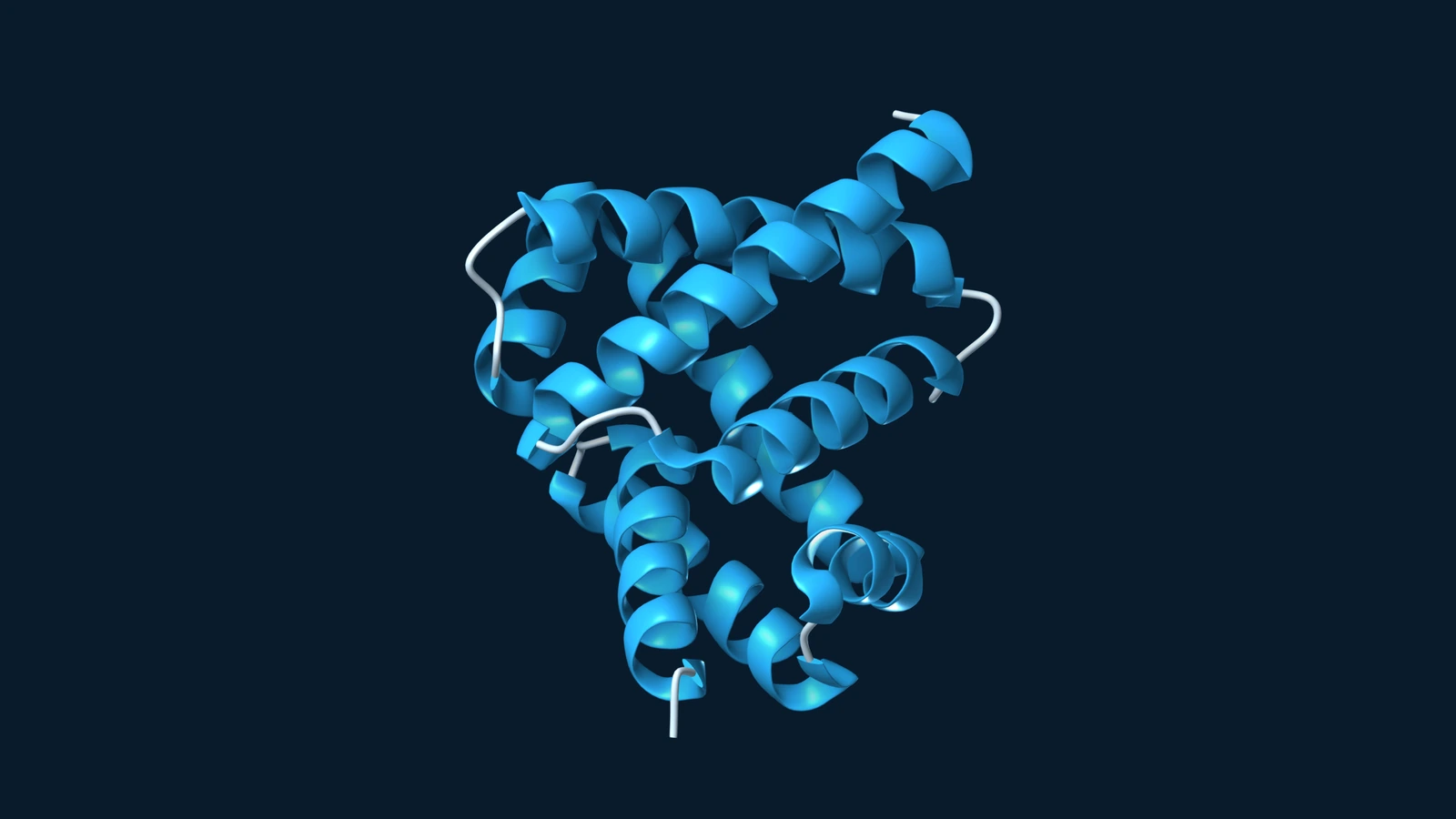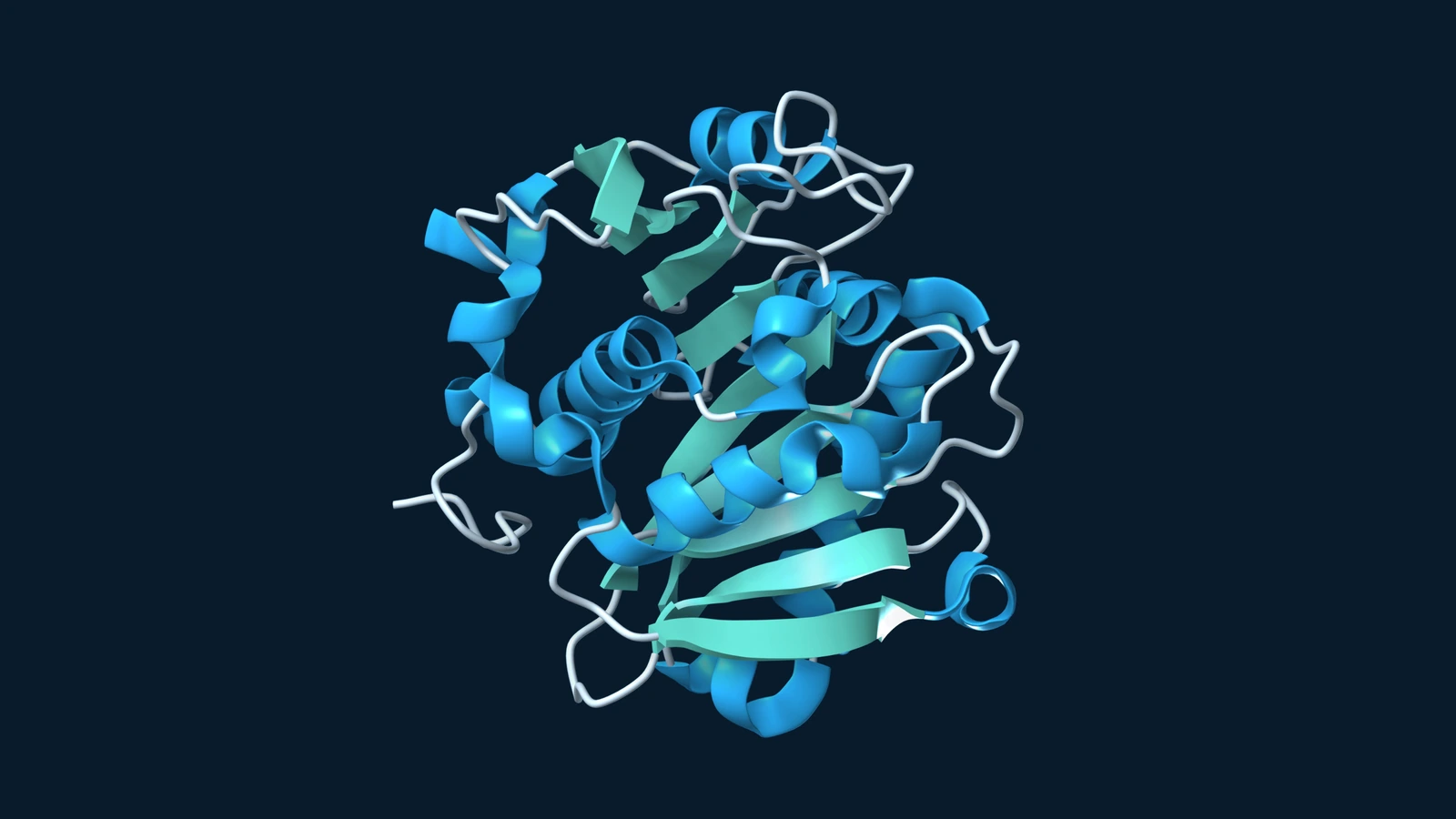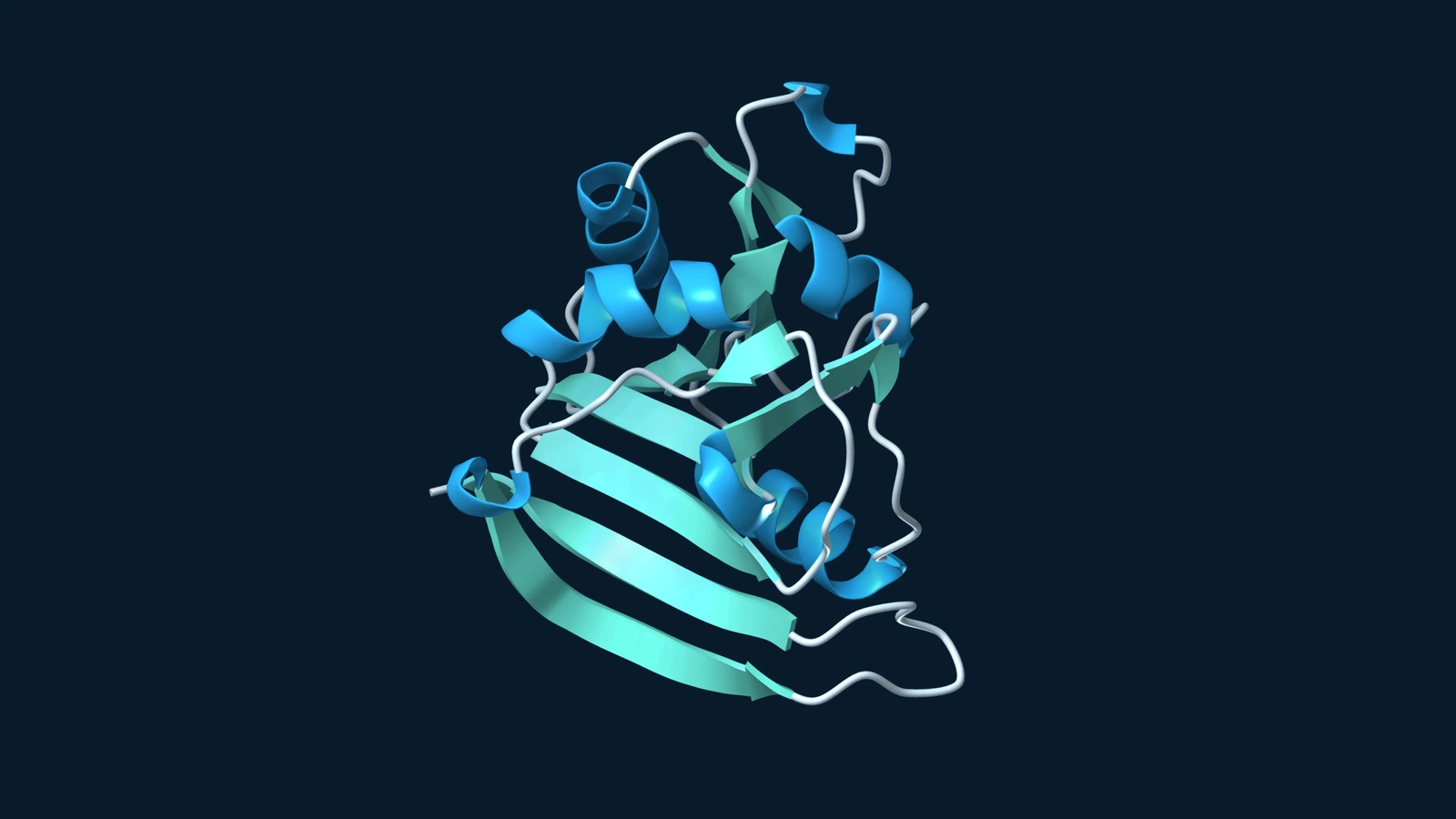
A protein that sea anemones use to puncture cell membranes can be redesigned to break down tiny particles of PET plastic. In a study published on 19 October 2023, researchers engineered protein nanopores that cut the polymer into smaller molecules at 40°C. The work points towards possible ways to treat very small plastic particles in water, rather than a process for recycling intact bottles.
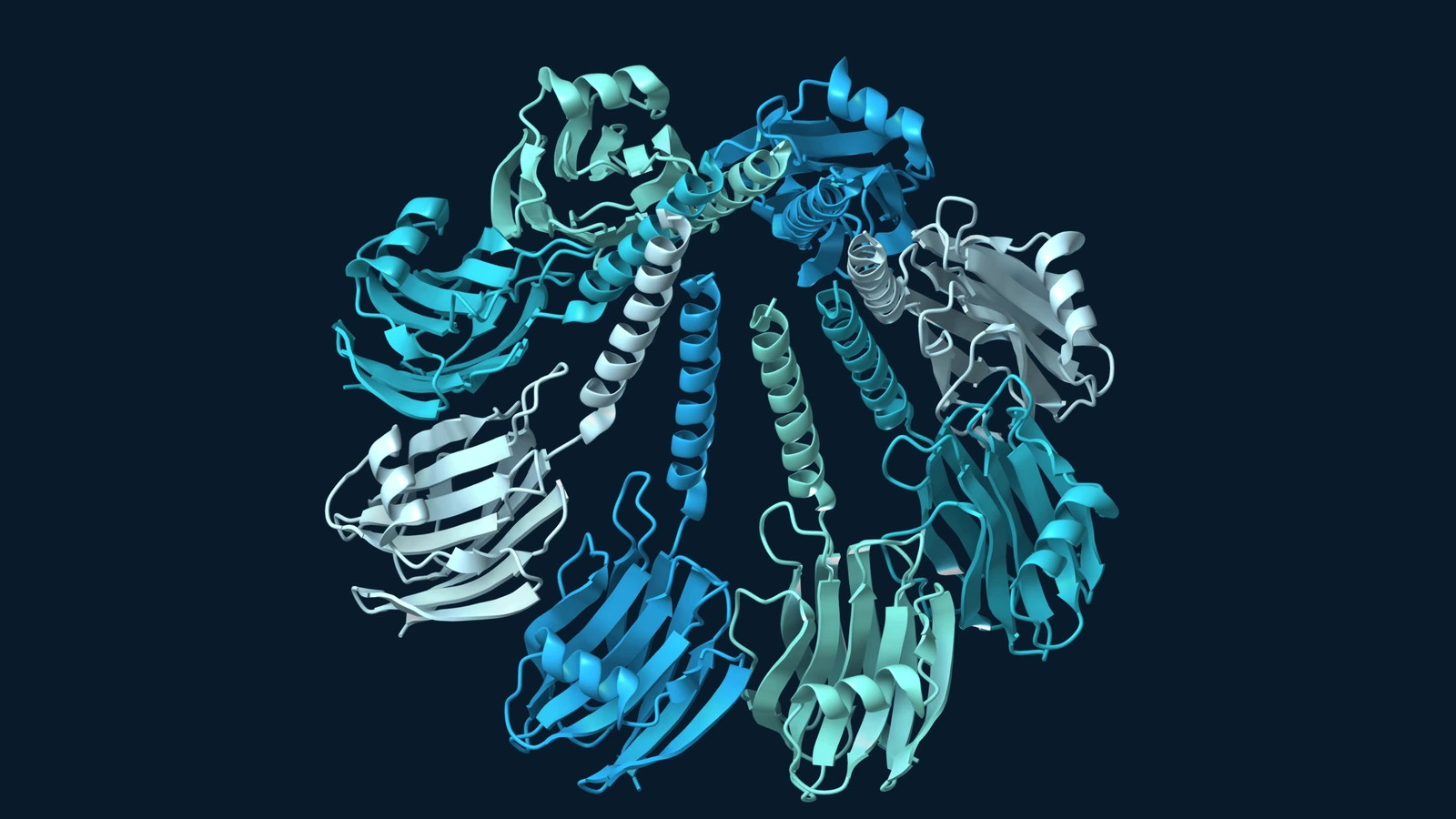
The team, led by researchers at the Barcelona Supercomputing Center, the Complutense University of Madrid and Spain’s Institute of Catalysis and Petrochemistry, started with fragaceatoxin C, or FraC. This protein comes from the sea anemone Actinia fragacea.
Giving a pore a new job
FraC normally assembles into a ring of eight protein subunits that opens a channel through a cell membrane. The researchers used computer modelling to identify positions inside this structure where small changes to the amino acid sequence could create a catalytic site.
They made two versions, called FraC m1 and FraC m2, with the catalytic sites in different parts of the pore. Each version contained two amino acid substitutions. The new sites brought together chemical groups that help enzymes cut ester bonds, the links joining the building blocks of PET.
The proteins were produced in bacteria, purified and assembled into pores using small discs of membrane lipids. The assembled engineered pores gained hydrolytic activity; the unmodified pores and separate protein subunits did not show detectable activity in the control experiments. Study and supplementary information.
Testing particles smaller than a micrometre
The researchers prepared PET particles from four materials: a drinks bottle, packaging resin and two commercial PET films. Across their experiments, the particles had average diameters of approximately 53–154 nanometres. A nanometre is one billionth of a metre.
These were deliberately prepared laboratory samples, made by dissolving PET in a solvent and precipitating it into water. They were not particles collected from a river or wastewater plant.
In the main comparisons, the particles were incubated with the nanopores at 40°C and pH 7 for 48 hours. Chemical analysis detected released breakdown products, and microscopy documented changes to the particles. Crucially, when the researchers tested the original bulk PET materials under the same conditions, they did not detect degradation.
Similar pores, different products
The two designs cut PET into different mixtures. FraC m1 mainly produced BHET, short for bis(2-hydroxyethyl) terephthalate, while terephthalic acid was below the detection limit under the tested conditions. FraC m2 produced a broader mixture that included terephthalic acid and several short PET fragments.
That distinction matters for a future process: breaking down a polymer does not automatically deliver a single purified ingredient ready to make new plastic. Product separation and further conversion would depend on what the reaction produces.
There is also a size puzzle. The tested particles were much wider than the pore opening. The authors proposed that flexible chain ends or protruding sections of polymer could reach the catalytic sites while the rest of the particle remained outside. Simulations supported this interpretation, but the study did not directly image the complete molecular sequence of degradation.
A possible route to water treatment
The authors suggested combining engineered pores with membranes or other materials that could capture and degrade tiny PET particles. Such treatment devices were a future research direction; the study did not demonstrate a working wastewater system.
Environmental and safety claims also need further evidence. FraC originates from a pore-forming toxin, and the engineered proteins retained activity against red blood cells in laboratory tests. Their biological origin therefore does not establish harmlessness. A practical process would need suitable containment and testing, along with evidence about performance in real water and the fate of its products.
The result establishes a new catalytic function in a protein pore. Whether that function can become a useful treatment technology depends on the next stages of engineering and testing, including costs and the environmental impact of the complete process.
Related reading: New Study Compares Four Enzymes for Plastic Breakdown.
Update note, 23 September 2026: This archived report was revised to distinguish tiny PET particles from bulk plastic, explain the experimental conditions and products, and remove unsupported claims about safety, recycling quality and environmental benefits. The original publication date has been retained.
Reference
Robles-Martín, A., Amigot-Sánchez, R., Fernandez-Lopez, L., et al. (2023). Sub-micro- and nano-sized polyethylene terephthalate deconstruction with engineered protein nanopores. Nature Catalysis, 6, 1174–1185. DOI: 10.1038/s41929-023-01048-6.