Living cells make many useful chemicals, but keeping those cells alive also adds work to a manufacturing process. Enzymit is developing an alternative: use selected enzymes outside cells to carry out the reactions that make a product. The Israeli company’s August 2023 announcement of cell-free hyaluronic acid production provided a concrete example of that approach. Company announcement.
What “cell-free” means here
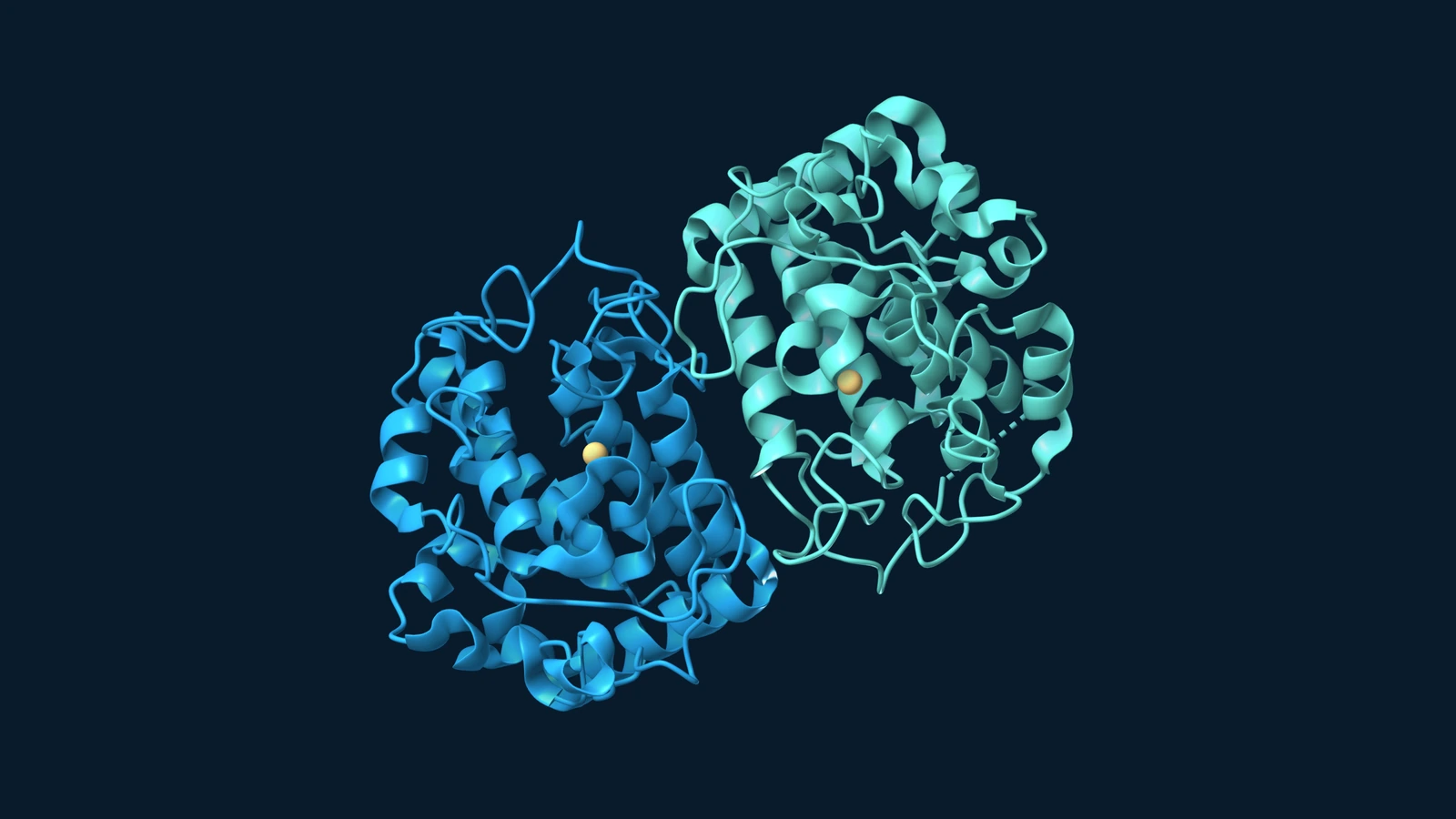
The enzymes are the catalysts; the biomolecule they help assemble is the product. Removing living cells from that synthesis step lets researchers select the enzymes and reaction conditions directly, rather than maintaining an organism’s complete metabolism.
This does not mean the enzymes themselves are manufactured without cells. Enzymit’s technology description explicitly includes fermentation for enzyme production. Those enzymes are then used in a separate manufacturing process outside living cells. Keeping the two stages distinct is essential to understanding the platform. Enzymit’s technology overview.
Designing enzymes for the job
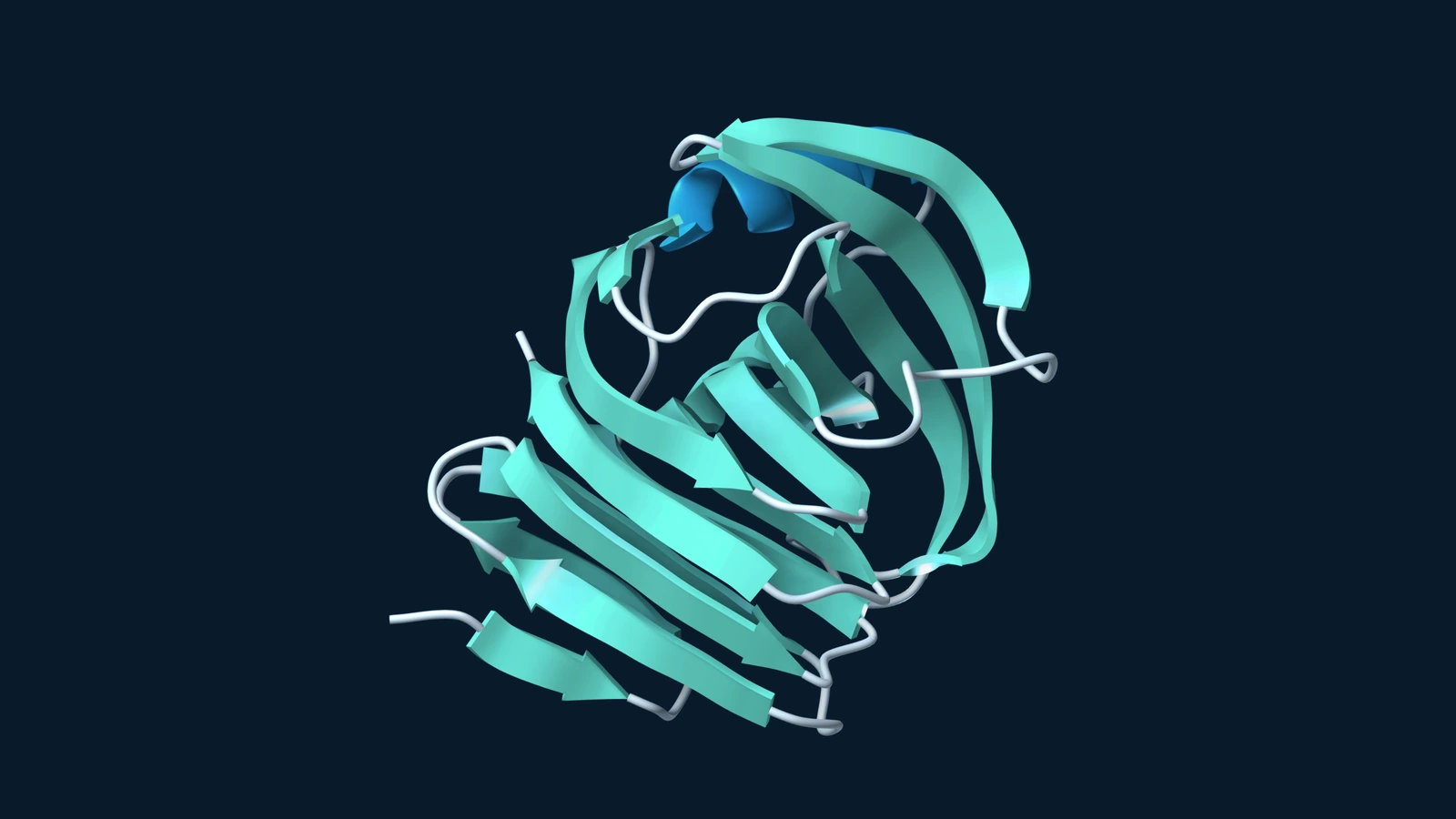
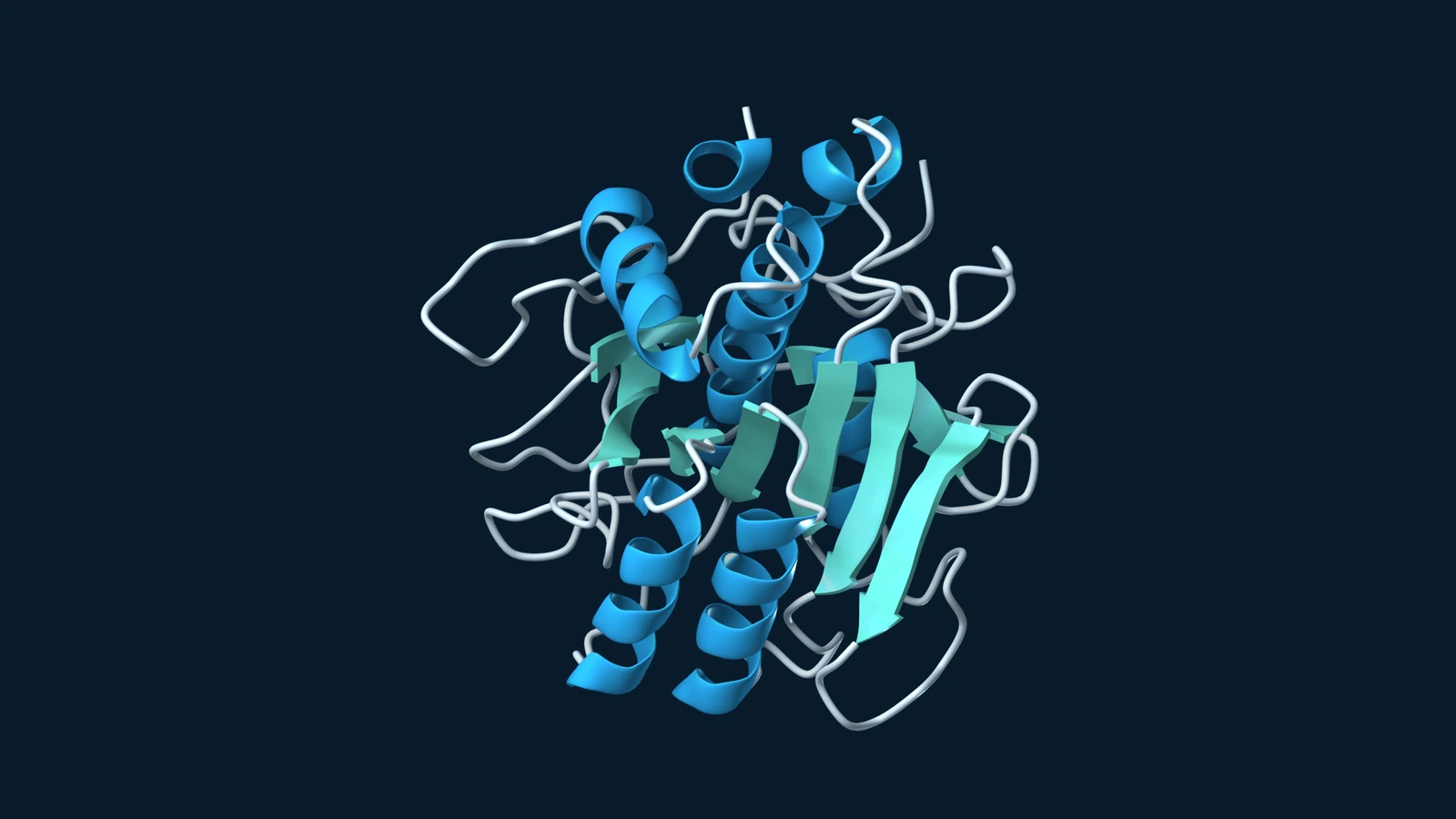
Enzymit combines computational protein design with laboratory testing. Its stated goals include enzymes that are easier to produce, remain active under process conditions, and can be attached to a support for reuse. These properties matter because a useful catalyst must keep working long enough to justify the cost of making it.
In August 2023, the company described two design tools, CoSaNN and SolvIT, alongside a research preprint. SolvIT was intended to improve soluble protein expression in E. coli—another example of living cells being used to supply catalysts for later applications. Computer-generated enzyme sequences still require experimental testing; the announcement did not establish a universal method for producing any desired enzyme. Enzymit’s research announcement.
Hyaluronic acid as an early example
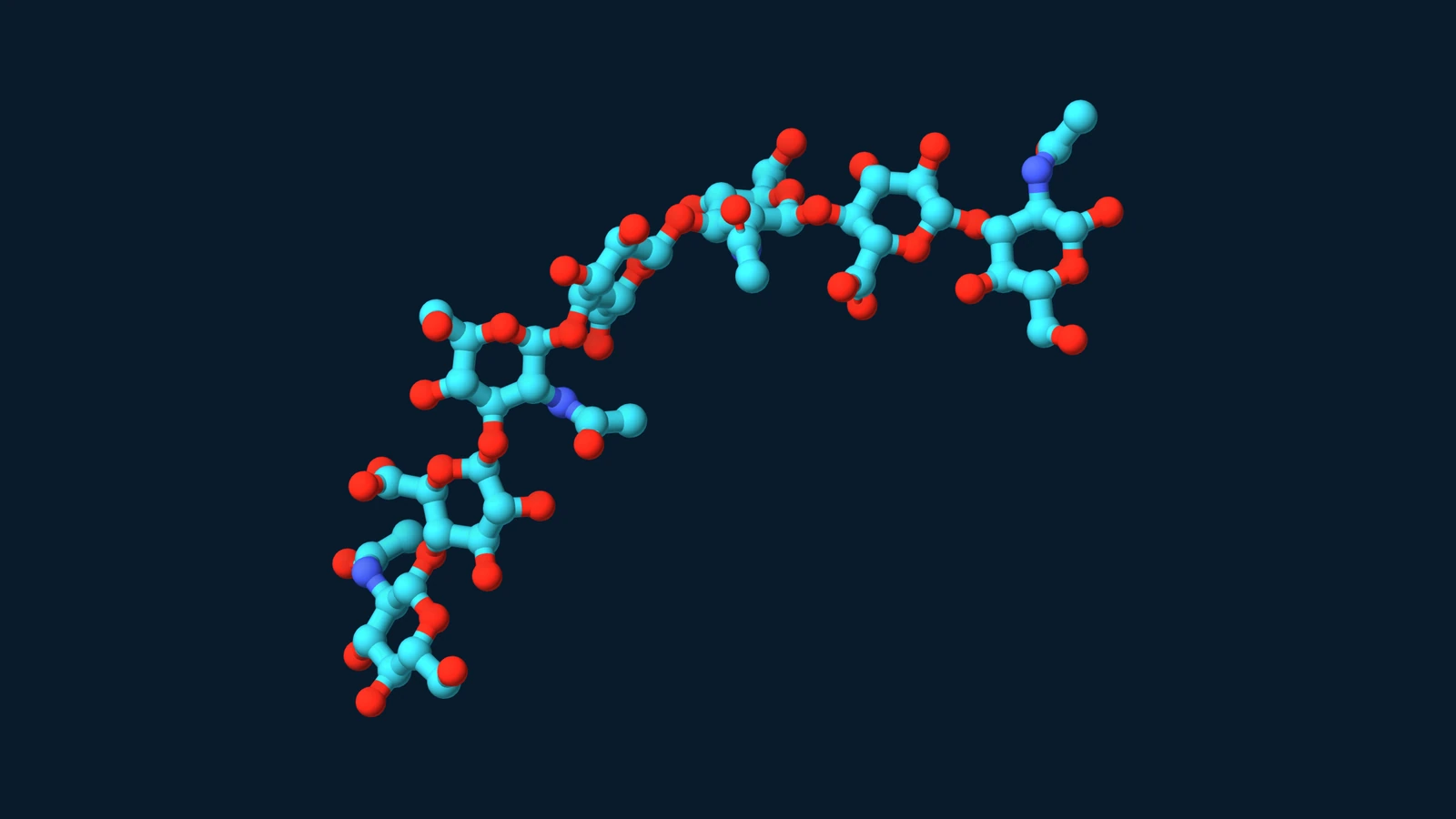
Hyaluronic acid is a long carbohydrate found in tissues including skin and connective tissue. In its 1 August 2023 announcement, Enzymit reported producing it with selected enzymes and controlling its molecular weight for different applications.
At that time, the company said it was increasing production capacity and developing enzymes that could use less expensive starting materials. This was an account of an emerging manufacturing process, rather than evidence that the platform had already replaced established production methods. Claims about lower costs, higher purity and easier purification came from Enzymit. Original announcement.
Later progress: an update to the 2023 report
On 24 June 2025, research and manufacturing partner NIZO reported scaling production of enzymes for Enzymit’s platform at its food-grade pilot facility. This concerned making the catalysts needed for cell-free synthesis. NIZO’s account.
A separate announcement on 10 November 2025 reported that Enzymit and Cosun had produced multi-kilogram quantities of hyaluronic acid in a 200-litre pilot-scale campaign. These are company-reported production results, not an independent assessment of commercial economics. The scale and quantities nevertheless make the report more specific than a general promise of future manufacturing. Enzymit–Cosun announcement.
Enzymit’s current product page also identifies human milk oligosaccharides—complex sugars naturally found in human milk—as a target. The listing alone does not establish commercial availability or approval of a particular product. Products and markets, checked 21 September 2026.
What determines whether the process is better?
For manufacturers, the useful comparison is the complete route to a specified product. Enzyme production, replacement or reuse, starting materials, reaction yield and purification all contribute to cost. Environmental comparisons also need to include energy, water and waste across those stages.
The announcements reviewed here do not provide a complete independently assessed comparison on that basis. Enzymit’s reported progress supports a focused story about developing and scaling enzyme-driven synthesis. Whether it offers an advantage over fermentation will depend on the product and process being compared.
Related reading: AlphaFold 3: Predicting How Biomolecules Fit Together.
Update note, 21 September 2026: This archived company profile was revised to distinguish cell-free product synthesis from enzyme production, identify company-reported claims, and add separately dated pilot-scale developments from 2025.
Sources
- Enzymit (1 August 2023). Cell-free hyaluronic acid production announcement. Company press release.
- Enzymit (21 August 2023). Enzyme-design research announcement. Company press release discussing a preprint at that time.
- NIZO (24 June 2025). NIZO and Enzymit scale enzyme production. Project partner’s account.
- Enzymit (10 November 2025). Pilot-scale hyaluronic acid production with Cosun. Company press release.
- Enzymit. Technology and Products & Markets. Current company descriptions, checked 21 September 2026.